A Diplomatic Push for De-Escalation
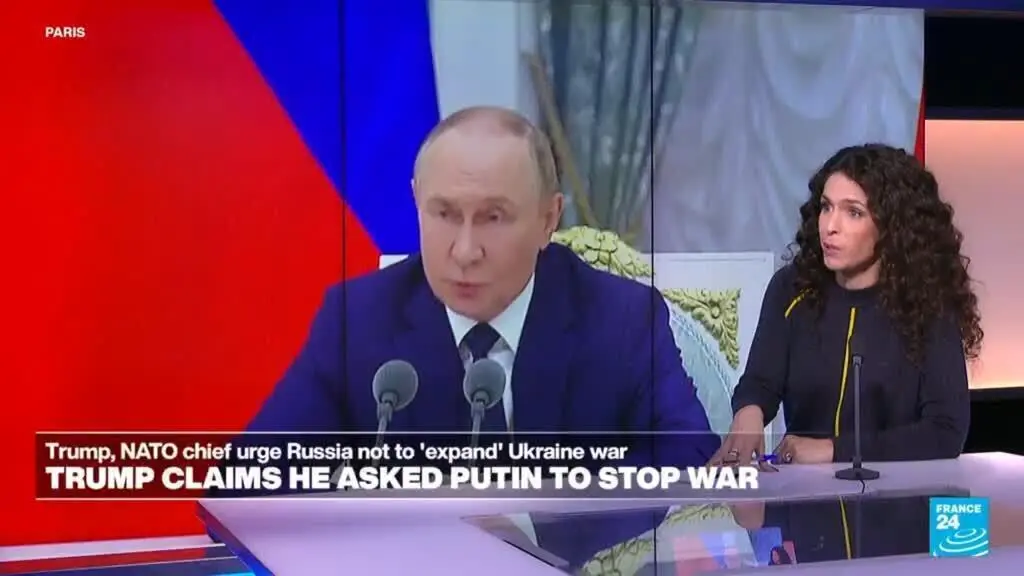
US President Donald Trump publicly urged Russian leader Vladimir Putin to halt what he called military aggressionin Europe. The statement came during a diplomatic exchange aimed at de-escalating tensions on the continent.
Trump framed the request as a direct appeal for a ceasefire and troop withdrawal. He emphasized the need to stop the current hostilities that have strained transatlantic relations.
The President’s remarks signal a shift toward active diplomatic engagement with Moscow. Rather than relying solely on sanctions, Washington is testing whether direct communication can reduce friction. Analysts note this approach contrasts with earlier hardline postures.
Can Direct Talks End the Conflict?
Trump specifically asked Putin to withdraw forces and end offensive operations. The language suggests a desire for a negotiated settlement. This move could reshape European security dynamics.
Skeptics question whether Putin will respond positively to a verbal appeal. Russia has shown little sign of retreating from its positions. However, the attempt itself opens a channel for further negotiation.
European allies are watching closely. France and Germany may seek to leverage this opening for a broader peace framework. The outcome will influence NATO’s next strategic decisions.
Frequently Asked Questions
Did Trump set a deadline for Putin’s response? No specific deadline was mentioned. The appeal was framed as a request rather than an ultimatum.
How does this affect European defense spending? The appeal may reduce immediate pressure for emergency spending, but long-term investment plans remain unchanged.
Will other countries join the diplomatic effort? Several European nations are preparing to support the initiative. Their involvement could strengthen the negotiation position.