A Shift in Legislative Priorities
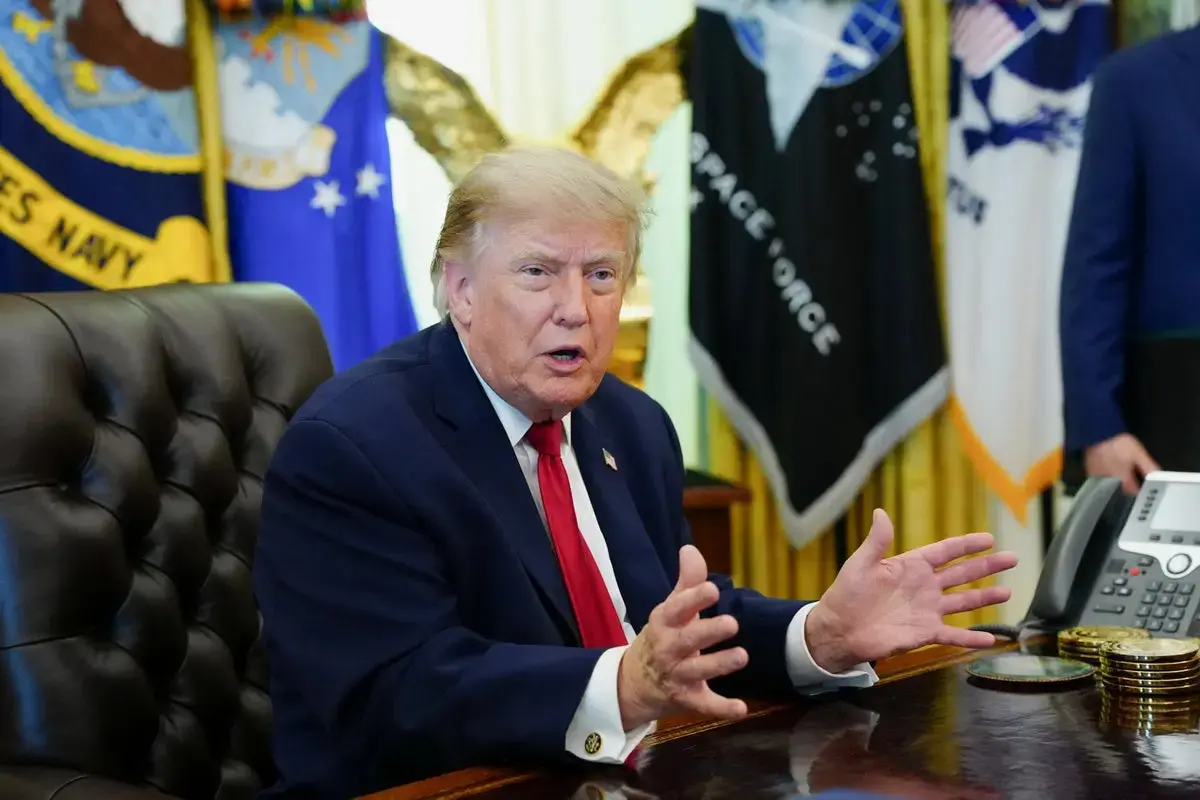
Donald Trump expressed little interest in affordable housing during a recent interview, prioritizing his partisan voting restriction bill instead. The US Senate is unlikely to pass the bill. Trump made these comments on Monday, June 29, 2026, in Washington, D. C.
The bill, a key focus for Trump, has been met with skepticism regarding its chances of becoming law. Trump seems more invested in pushing the voting restriction bill than addressing pressing issues like affordable housing.
Trump's stance on affordable housing has raised eyebrows, with many questioning the government's priorities. When asked about affordable housing, Trump reportedly said, „Everything is a big yawn.”This response highlights his apparent lack of concern for the issue.
Can Trump's Bill Pass Senate?
The voting restriction bill, which Trump is keen on passing, has been criticized for being partisan. Despite this, Trump remains committed to pushing the bill forward. Critics argue that the bill's passage could have significant implications for voting rights in the US.
The bill's prospects in the Senate appear slim, with many lawmakers expressing opposition. If the bill fails to pass, Trump's efforts could be seen as a wasted opportunity to address more pressing issues.
The consequences of Trump's priorities could be far-reaching, potentially affecting the lives of many Americans struggling with housing costs. As the Senate continues to debate the voting restriction bill, its fate remains uncertain.
Frequently Asked Questions
What is Trump's voting restriction bill about? The bill aims to restrict voting rights, with critics arguing it is partisan. Details of the bill remain unclear, but it has sparked intense debate.
Will the bill pass the Senate? The bill's chances of passing are slim due to opposition from lawmakers. Its fate remains uncertain.
What are the implications of Trump's priorities? Trump's focus on the voting restriction bill over affordable housing has raised concerns about the government's priorities and potential consequences for Americans.