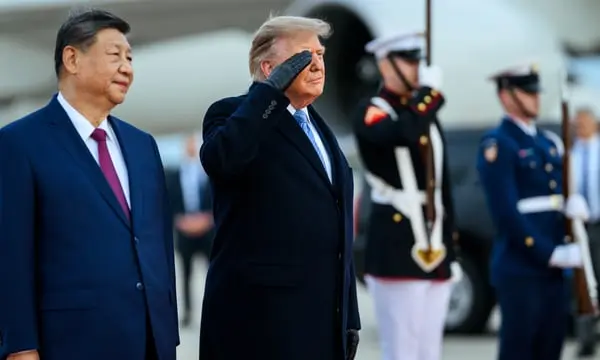
When Communication Lines Become Leverage
U. S. President Donald Trump and Chinese President Xi Jinping met at a bilateral summit to address escalating tensions. The encounter exposed significant gaps in how both nations handle military communication during high-stakes moments.
The summit highlighted a critical weakness in the existing crisis management framework. Military communication channels, which should serve as reliable bridges between the two militaries, are being used as bargaining chips. This practice undermines trust and increases the risk of miscalculation.
During the summit, both leaders acknowledged that communication channels are often held back until a crisis makes them indispensable. This delay creates dangerous blind spots. When tensions spike, the lack of established dialogue forces leaders to improvise under pressure.
Can Standing Protocols Prevent Future Miscalculations?
The U. S. and China have historically relied on ad hoc contacts rather than permanent, structured military-to-military links. This approach works until a sudden incident tests the system. The summit discussions focused on building more robust, standing communication protocols to prevent future breakdowns.
Leaders from both sides agreed that permanent communication frameworks are essential. These protocols would allow rapid information exchange during emergencies. The goal is to reduce the time between an incident and a coordinated response.
Specific measures under discussion include regular military dialogues, shared incident reporting mechanisms, and dedicated hotlines. These tools aim to keep both militaries informed and reduce the chance of accidental escalation.
The summit concluded with a mutual commitment to strengthen these channels. Both nations recognize that clear communication is the first line of defense against unintended conflict.
Frequently Asked Questions
Why are military communication channels considered bargaining chips? Because both sides sometimes withhold or delay opening these channels until a crisis forces the issue. This tactic uses communication as leverage rather than a routine tool.
What specific measures were discussed at the summit? The leaders talked about establishing permanent military dialogues, incident reporting systems, and dedicated hotlines. These aim to ensure continuous contact between the two militaries.
How will these changes affect future crisis management? By creating standing protocols, both nations hope to reduce reaction time and prevent miscalculations. The goal is a more predictable and transparent process for handling military incidents.