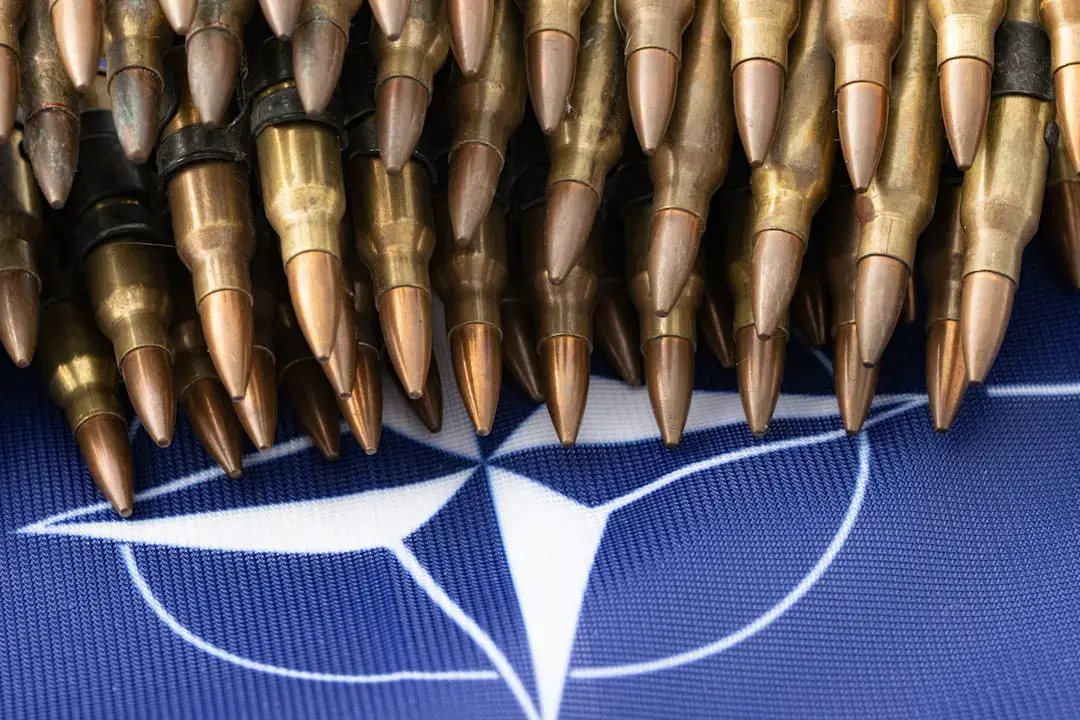
A fragile partnership under strain
Carl Bildt, co‑chair of the European Council on Foreign Relations, addressed the NATO summit in Washington on July 8, 2026. He evaluated the alliance’s health during President Donald Trump’s second term, highlighting policy shifts, funding gaps, and strategic uncertainty.
Bildt argued that Trump’s „America First” rhetoric eroded trust among European members. He cited reduced U. S. troop deployments, delayed missile upgrades, and a reluctance to meet the 2 percent GDP defense spending goal. According to the Swedish diplomat, these moves forced allies to question the reliability of the transatlantic bond and to consider independent security measures.
The summit’s opening session revealed stark divisions. While some NATO leaders praised the United States’ recent tactical contributions, others condemned the lack of strategic clarity. Bildt recalled that, in 2024, the U. S. halted plans for a new forward‑deployed air base in Poland, a decision that surprised Warsaw and Budapest. „When the biggest military power in the alliance pulls back, the whole structure trembles,” he said.
Will the alliance recover after Trump’s exit?
Data released by NATO’s public‑affairs office showed that, by the end of Trump’s term, only eight European members met the 2 percent target, down from twelve in 2020. The shortfall translated into a $30 billion shortfall in pooled resources for joint exercises and cyber‑defense initiatives. Bildt warned that without a collective funding boost, NATO’s ability to deter Russian aggression in Eastern Europe could weaken.
The question now dominates policy circles. Bildt expressed cautious optimism, noting that the new U. S. administration has pledged to restore „full‑spectrum commitment” to NATO. He urged European capitals to seize the moment, increase defense budgets, and develop interoperable technologies. „A stronger, more resilient alliance depends on shared risk and mutual investment,” he asserted.
If European nations raise spending and the United States re‑engages fully, the alliance could regain its strategic edge within two years. Conversely, lingering skepticism may drive some members toward bilateral security pacts, fragmenting the collective defense framework.
Frequently Asked Questions
What specific actions did Trump’s administration take that hurt NATO cohesion? Trump’s team delayed the deployment of additional troops to Eastern Europe, canceled planned upgrades to NATO’s air‑defense network, and repeatedly questioned the need for the 2 percent spending benchmark.
How many NATO members met the defense spending target by the end of Trump’s term? Eight members, a decline from twelve in 2020, achieved the 2 percent of GDP requirement.
What steps can NATO take to rebuild trust after the Trump era? Increasing joint training, sharing intelligence more openly, and committing to the agreed defense spending levels are key measures to restore confidence among allies.