Democrats Repurpose „America First” for a New Generation
In 2024, former President Donald Trump secured a second term, and the Republican Party gained control of the Senate by rallying around a promise to put „America First.” Two years later, a wave of Democrats is attempting to claim that same slogan, citing their past support for Trump as a foundation for a new political strategy.
Trump’s victory was built on a narrative that resonated with voters who felt left behind by globalism. By emphasizing national sovereignty, stricter immigration controls, and a protectionist stance on trade, the former president’s campaign captured the imagination of a broad electorate. The Senate shift to Republican hands mirrored the executive triumph, cementing a unified „America First” agenda across both branches of government.
Is „America First” a Genuine Policy Shift or a Political Playbook?
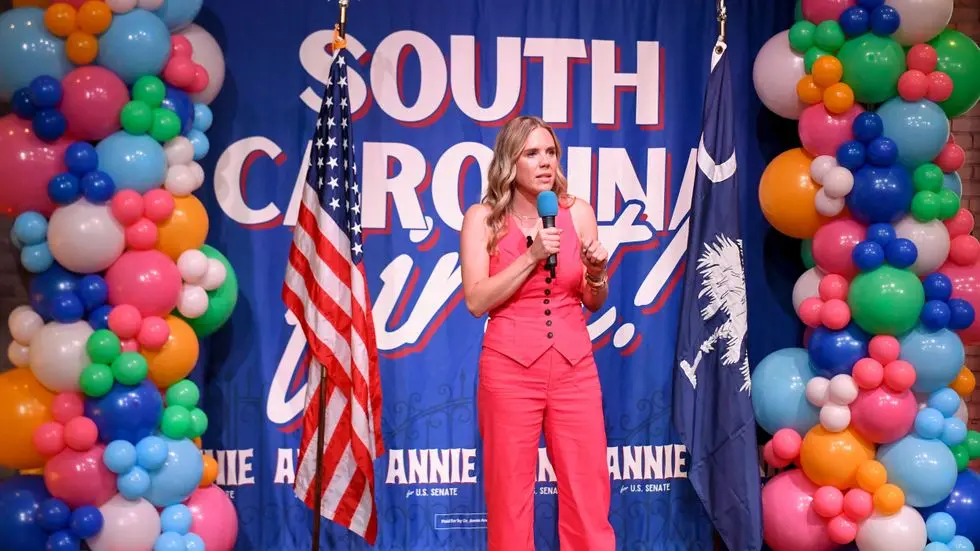
Some Democratic lawmakers are now adopting the phrase, arguing that it reflects a commitment to domestic priorities rather than a partisan stance. Senator John Smith of Michigan, for instance, says, „Everywhere I go, I get somebody who comes up and says, ‘Look, I voted for Trump two, three times, and I’m voting for you.’” Smith’s statement illustrates how the slogan has transcended its original context to become a broader call for prioritizing American workers, infrastructure, and social programs.
The rebranding effort is not merely rhetorical. Democratic candidates are proposing policies that echo the economic protectionism of Trump’s era, such as renegotiating trade agreements to favor U. S. manufacturers and investing heavily in domestic supply chains. They also emphasize a renewed focus on law and order, a theme that has resonated with voters who previously supported Trump’s tough‑on‑crime rhetoric.
Critics argue that the Democrats’ use of the slogan is a strategic move to attract swing voters who feel alienated by the party’s traditional progressive platform. By borrowing a phrase that once symbolized a hardline stance, Democrats risk diluting the meaning of „America First,” potentially confusing voters about the party’s true priorities. Supporters counter that the phrase now represents a pragmatic approach to national challenges, including job creation, infrastructure renewal, and a balanced approach to foreign policy.
Frequently Asked Questions
The debate also raises questions about the future of party identity. If Democrats continue to adopt rhetoric traditionally associated with Republicans, will the two parties converge on similar policy platforms, or will voters become increasingly disillusioned with partisan labels? The answer may hinge on how effectively each party can translate the slogan into concrete legislative action that addresses the needs of ordinary Americans.
The consequences of this shift are already visible in the 2026 midterm elections. Candidates who embrace „America First” are drawing larger crowds in suburban and rural districts, while traditional Democratic strongholds remain wary of what they see as a dilution of progressive values. The outcome will shape the national conversation about economic policy, trade, and the role of government in fostering domestic prosperity.