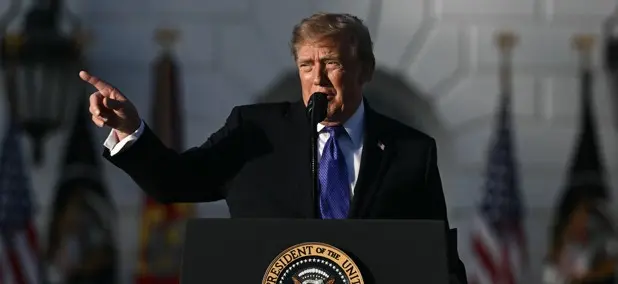
Contractors Caught in the Middle
On Friday night, the White House issued a new executive order targeting government contractors. The directive restricts their ability to share information with Congress. This move directly challenges the legislative branch’s oversight powers. Critics argue it shields the administration from scrutiny. The order was published late in the evening, limiting public reaction time. It targets the surge in congressional inquiries.
The policy places the burden on contractors who must now navigate strict communication limits. They face pressure to withhold details from lawmakers. This creates a conflict between their contractual duties and the new executive mandate. The public also suffers because transparency drops.
Government agencies rely on contractors for technical expertise. These firms now face a dilemma. They must answer to the White House while Congress demands answers. The order effectively silences a key source of information. Lawmakers complain they are being cut off from critical data. Contractors risk penalties if they speak out. This dynamic shifts the political weight onto private firms. They become pawns in a broader power struggle.
Will Lawmakers Push Back?
Congress has historically used oversight to check executive power. This order tests that balance. Some members plan to challenge the directive in court. Others may issue subpoenas to force compliance. The administration argues the order protects sensitive operational details. Critics say it is a tool to hide information. The legal battle will determine the final scope of the gag.
The outcome will shape future government-contractor relations. If upheld, contractors remain silent. If struck down, Congress regains its investigative reach. The public benefits from restored transparency.
Frequently Asked Questions
Who does the contractor gag order affect? The order targets private firms holding federal contracts. It limits their communication with congressional committees.
Why did the White House issue this order? The administration aims to reduce information flow to Congress. It seeks to limit oversight during a period of intense scrutiny.
How will this impact the public? Reduced transparency means fewer details reach citizens. Public trust in government processes may decline.