The Cost of Unconvincing Rhetoric
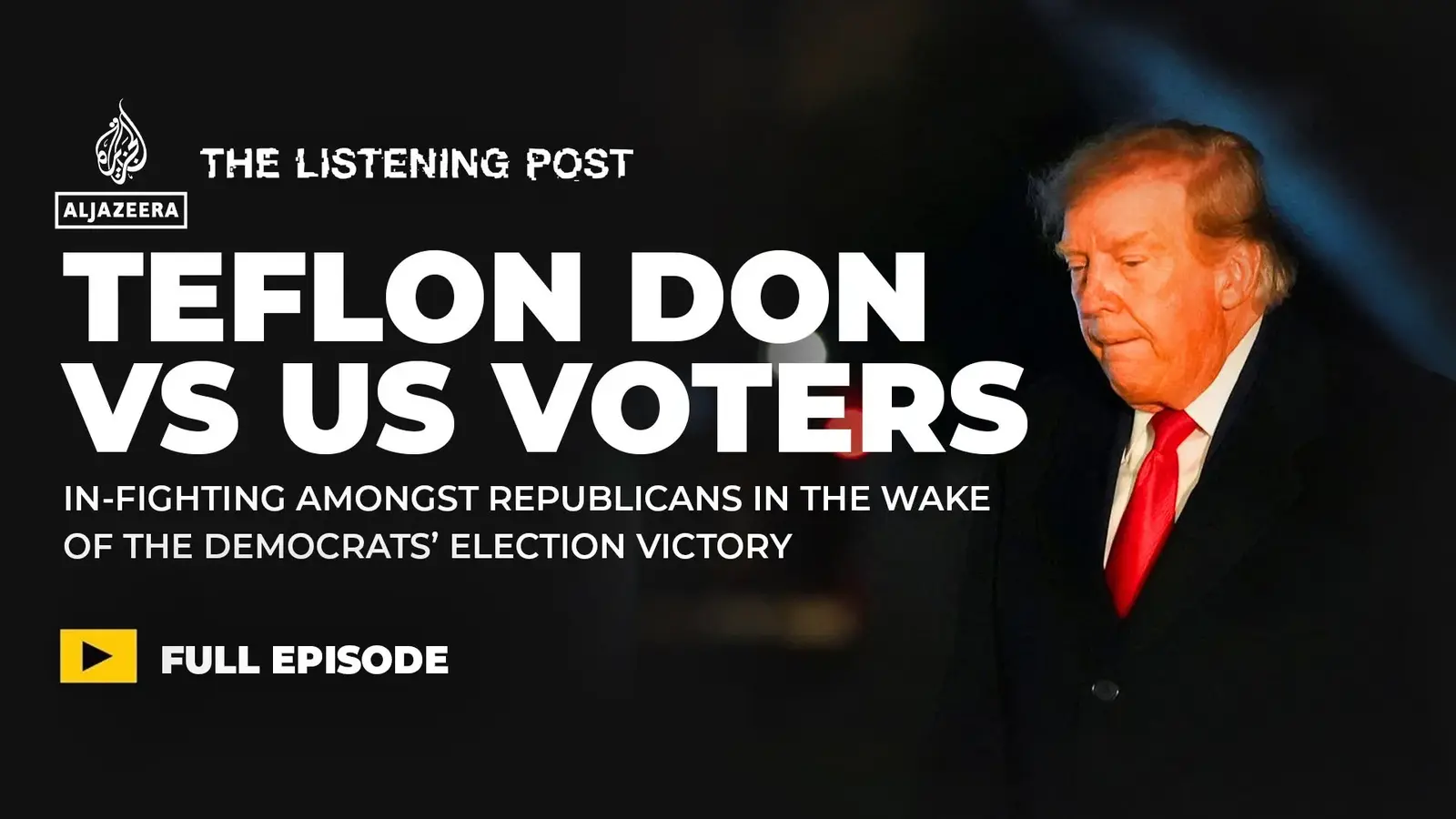
Donald Trump and the Republican Party face a historic defeat in the recent US midterm elections. The campaign marked the most expensive in American history, with nearly twelve billion dollars spent. Most of this funding supported Republican candidates. Despite massive financial investment, voters rejected the party’s messaging. Democrats achieved a sweep unseen in decades. The outcome highlights a significant disconnect between campaign spending and voter sentiment.
Trump’s narrative regarding Iran proved central to the campaign’s failure. Critics argue the messaging lacked substance and conviction. Voters found the story unconvincing and disconnected from their daily concerns. The heavy reliance on this specific angle alienated moderate voters. Republicans struggled to articulate a clear policy stance. Instead, they focused on broad, often vague, national security claims. This approach failed to resonate with the electorate. The lack of detailed explanation left voters skeptical.
Why Did the Strategy Fail?
The financial scale of the election was unprecedented. Nearly twelve billion dollars changed hands during the campaign period. This amount dwarfs previous midterm cycles. The bulk of the funds went toward digital and television ads. Republicans spent significantly more than their Democratic counterparts. Yet, higher spending did not translate into electoral success. The data suggests diminishing returns on advertising. Voters appear fatigued by constant political messaging. They prioritized local and economic issues over foreign policy debates.
The core issue was a mismatch between narrative and voter priorities. Trump’s focus on Iran did not address immediate domestic concerns. Inflation, healthcare, and education remained top issues for many voters. Republicans failed to bridge this gap effectively. Their messaging felt outdated and out of touch. Democrats, conversely, tailored their message to local needs. They highlighted specific policy positions that resonated with constituents. This targeted approach proved more effective than broad national narratives.
The defeat has immediate consequences for the Republican Party. They must now operate with reduced legislative influence. This limits their ability to pass key legislation. Party leaders are expected to conduct a thorough review. They need to identify why the Iran narrative fell flat. Future campaigns may shift focus away from foreign policy. Domestic issues will likely take center stage. The party must rebuild trust with disengaged voters.
Frequently Asked Questions
How much was spent on the midterms? The election cost nearly twelve billion dollars. This makes it the most expensive in US history. Most funds went to Republican candidates.
Why did the Iran narrative fail? Voters found the story unconvincing. It did not address their primary domestic concerns. The messaging lacked specific policy details.