A Legacy of Protection
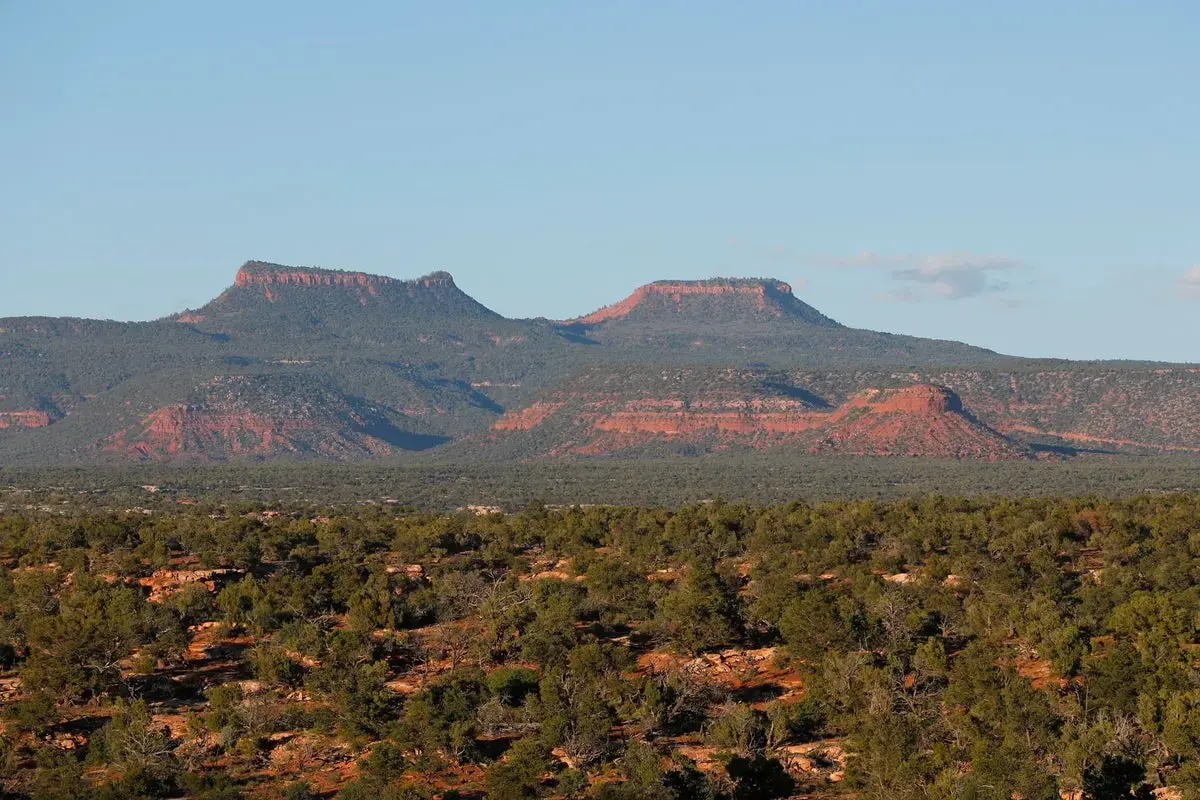
The US government has managed Bears Ears and Grand Staircase-Escalante national monuments for over a century, recognizing their importance longer than almost any other land it administers. President Trump's decision to reduce their size has sparked controversy.
The government's recognition of the land's significance dates back to the early 20th century when it first designated these areas as protected. The monuments are home to a rich cultural heritage, with numerous archaeological sites and breathtaking natural beauty.
For over 100 years, the US government has acknowledged the importance of preserving these lands. The Antiquities Act of 1906 granted the president the authority to designate national monuments without congressional approval. This legislation has been used to protect numerous sites, including Bears Ears and Grand Staircase-Escalante.
Can Trump's Decision Be Reversed?
The reduction in size of these monuments has been met with fierce opposition from conservationists and local communities. They argue that the decision undermines the government's long-standing commitment to preserving these areas.
The consequences of Trump's decision will be far-reaching, potentially setting a precedent for future reductions in protected areas. The outlook for these monuments remains uncertain, with ongoing debates about their management and protection.
Frequently Asked Questions
What is the Antiquities Act? The Antiquities Act is a 1906 law that allows the president to designate national monuments without congressional approval. It has been used to protect numerous cultural and natural sites.
Why were Bears Ears and Grand Staircase-Escalante reduced in size? The size of the monuments was reduced under President Trump's administration, sparking controversy and opposition from conservationists.
What are the potential consequences of reducing national monument sizes? Reducing the size of national monuments could set a precedent for future reductions, undermining conservation efforts and potentially harming the environment and local communities.