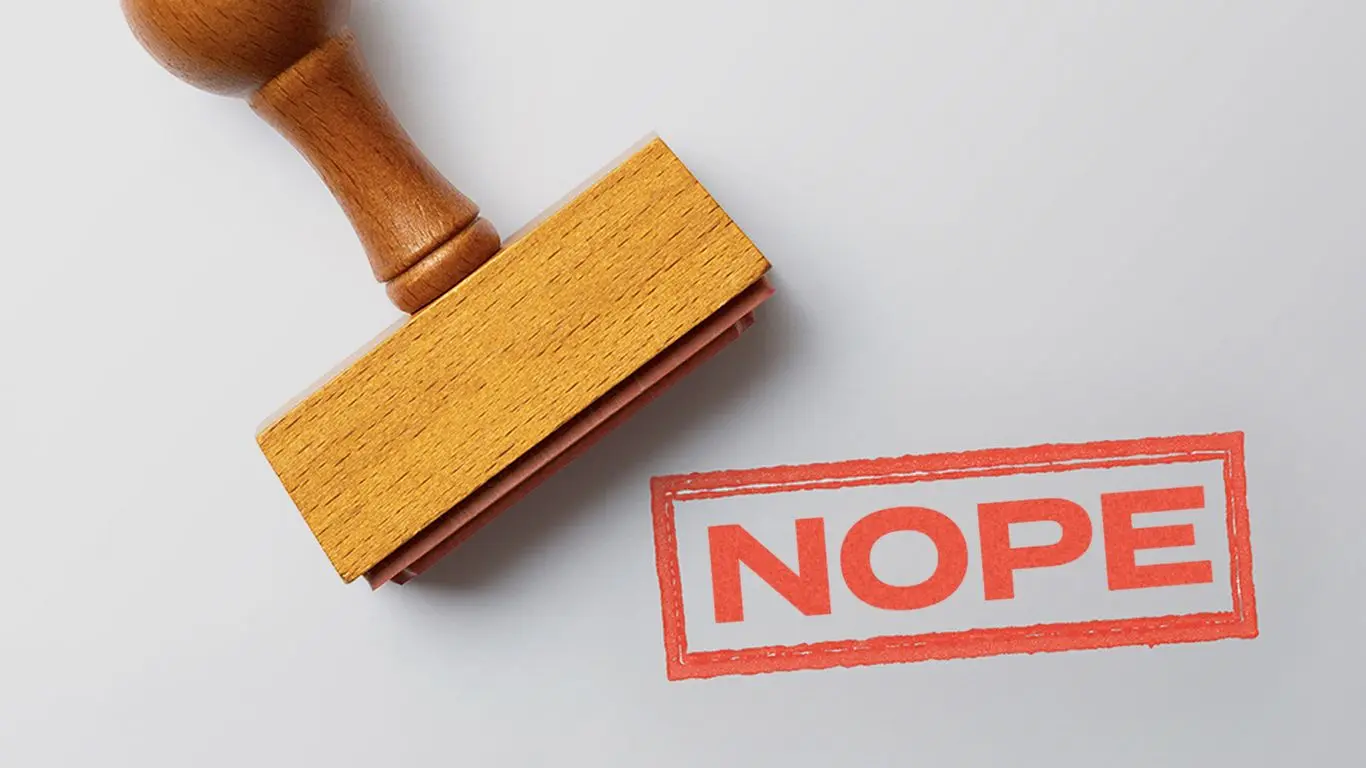
The Veto as Legislative Shield
Democrats enter the new congressional session with a broad legislative mandate, but President Trump holds a powerful counterweight. His veto authority can block key Democratic priorities, forcing the party to negotiate before bills reach his desk.
The political dynamic centers on legislative strategy. Trump has repeatedly emphasized that his veto power serves as a robust roadblock to the opposing party's agenda. This creates a high-stakes negotiation environment where compromise becomes essential for passage.
Trump's veto power functions as a strategic tool to protect his policy positions. When Democrats push for new legislation, the president can reject bills that conflict with his priorities. This forces the minority party to either adjust their proposals or accept a veto. The mechanism creates a check on congressional power, ensuring the executive branch maintains significant influence over lawmaking.
Will Trump Use the Veto Frequently?
The central question is how often Trump will deploy this power. He must decide whether to veto selectively or broadly. A frequent use signals aggressive executive control. A selective approach suggests a more collaborative stance. Democrats may need to build bipartisan coalitions to override vetoes, which requires a two-thirds majority in both chambers.
The outcome shapes the legislative calendar for the coming months. If Trump vetoes frequently, Democrats face a steep climb to override. If he vetoes rarely, his party's agenda advances more smoothly. The balance of power will determine which policies become law and which stall in committee.
Frequently Asked Questions
Can Democrats override Trump's veto? Yes, but it requires a two-thirds majority in both the House and Senate. This is a high bar that typically requires bipartisan support.
How many vetoes can Trump issue? There is no constitutional limit on the number of vetoes a president can issue. He can veto as many bills as he chooses during his term.
What happens after a veto? The bill returns to the chamber that passed it. That chamber can attempt an override vote. If successful, the bill becomes law despite the president's objection.