Late‑Night Hosts Rally Against Trump’s Media Restrictions
On Monday, former President Donald Trump announced a ban on several media outlets, including CNN and Politico, from the White House. The decision sparked immediate backlash from late‑night hosts and raised concerns about First Amendment rights. Trump’s move was framed as a response to what he called „unfair coverage.” The ban barred reporters from those outlets from attending presidential briefings and accessing the press pool. Critics argue the restriction violates constitutional protections and threatens democratic transparency.
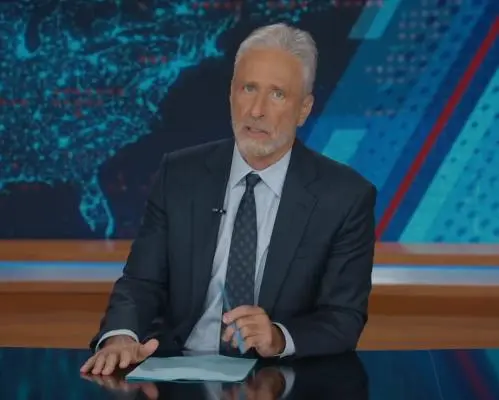
Jon Stewart, hosting the Daily Show, called the ban „the hottest spot in DC has just changed its door policy.” He urged viewers to recognize the danger of a president controlling information flow. Other comedians, such as Jimmy Fallon and Stephen Colbert, echoed Stewart’s concerns, calling the ban „authoritarian” and „a threat to free speech.” Their commentary highlighted the historical precedent of press freedom as a pillar of democracy.
Is the First Amendment at Risk?
The ban has reignited debate over the limits of presidential power. Legal scholars argue that the executive branch cannot unilaterally exclude media from official events without violating the First Amendment. Some defenders claim the ban is a matter of security, but critics point to the selective targeting of outlets known for critical reporting. The controversy underscores the tension between national security concerns and the public’s right to know.
What Comes Next for Press Freedom?
The backlash has also prompted the White House to clarify that the ban applies only to briefings, not to all media coverage. However, the decision has already damaged the administration’s credibility among journalists and the public. Many see the move as a sign that the Trump administration will continue to push back against unfavorable coverage.
Frequently Asked Questions
The ban may lead to legal challenges from the targeted outlets and the American Civil Liberties Union. If courts rule the ban unconstitutional, it could set a precedent limiting future executive actions. Meanwhile, the media community is rallying to protect its access to government information. The White House faces pressure to restore trust and demonstrate commitment to transparency.
The fallout from the ban could influence future administrations. Politicians may be wary of repeating such restrictive measures, fearing backlash from both the press and voters who value free speech. The incident also serves as a reminder that democratic institutions must guard against attempts to silence dissenting voices.