The Push for an Electric Era
According to the International Energy Agency, electricity currently accounts for roughly 20 percent of final global energy consumption. Turkish leaders argue that this ambitious goal will accelerate the adoption of renewable energy sources and significantly bolster national energy autonomy.
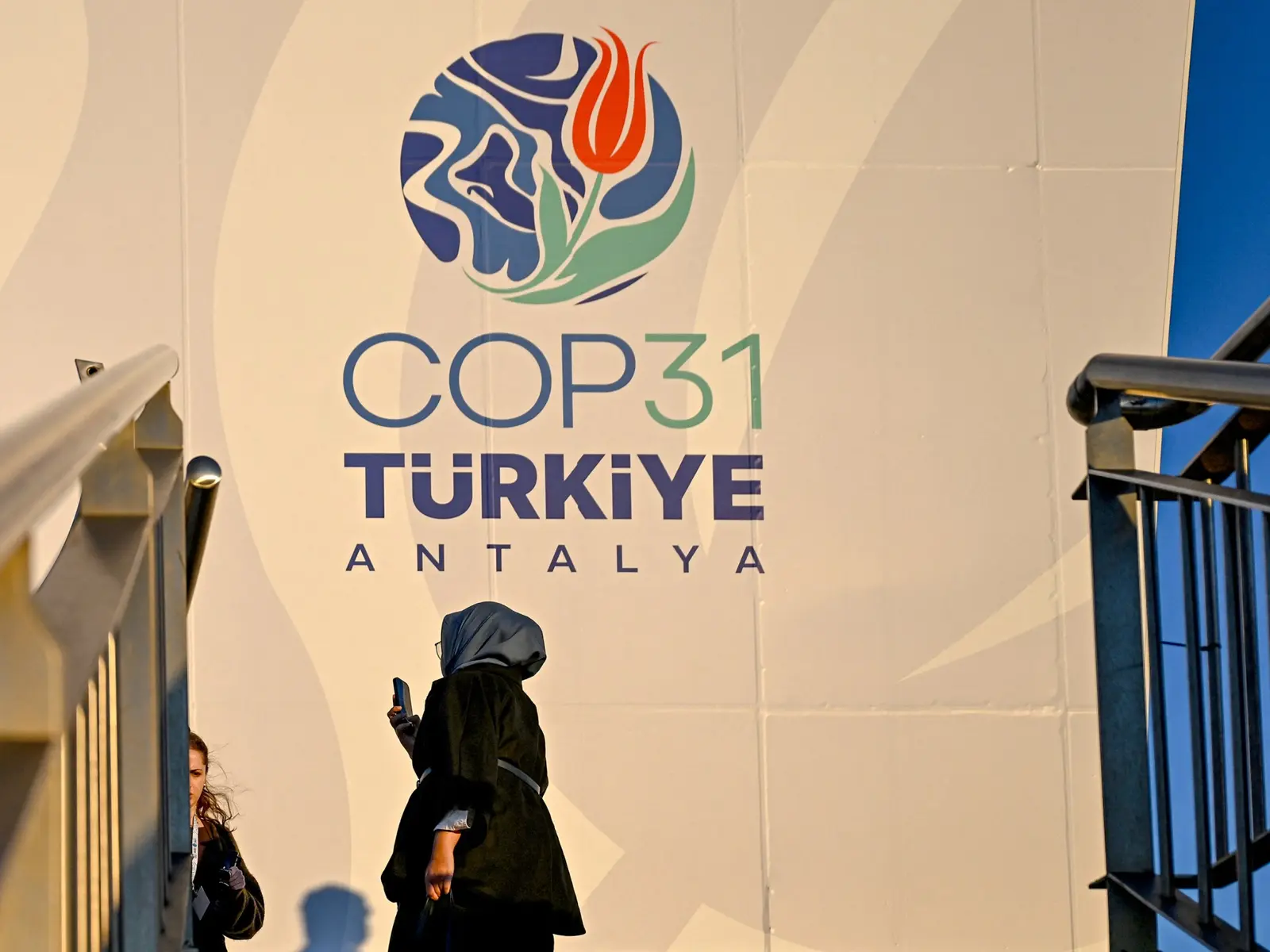
On Thursday, Turkish Environment Minister and COP31 President Murat Kurum highlighted the painful lessons learned this year. „The energy sector turmoil we faced this year was a wake-up call; everyone now realizes that imported energy resources mean a total loss of national control,”Kurum stated. He believes electrification is the ideal solution to protect citizens from international market fluctuations while simultaneously lowering harmful emissions. He added that the COP31 mandate aims to officially inaugurate the „era of electricity.”Beyond this core objective, the conference agenda includes strategies to eliminate waste, curb methane emissions, and develop climate-resilient cities. Discussions will also cover green industrialization, public education, and the implementation of national environmental policies.
Criticism and Conflicting Interests
Environmental activists have sharply criticized the new pact. They argue the document fails to mandate that increased electricity production must come exclusively from low-carbon sources. This omission has sparked a heated debate regarding whether electrification alone is a valid indicator of ecological progress.
Meanwhile, a coalition of nations, led by small Pacific island states vulnerable to rising sea levels, is demanding a clear international timeline to phase out fossil fuels. Conversely, major oil and gas exporters like Saudi Arabia argue that hydrocarbons can remain vital if paired with advanced carbon capture and emission-reduction technologies.
Geopolitical Pressures and Market Shifts
The ongoing conflict between the US, Israel, and Iran has blocked shipping through the Strait of Hormuz, severely disrupting crude oil transport. This blockade has driven up global fuel prices, forcing governments to seek emergency alternatives.
In response to the regional crisis, US President Donald Trump has advocated for increased extraction of oil, natural gas, and coal. Consequently, Asian nations including South Korea, Thailand, and India have been forced to rely on coal or expand their coal-fired power plant capacities. Despite these setbacks, the green technology market has seen remarkable growth, bolstered by affordable, large-scale equipment exports from China.