What Has Changed Since the Film’s Release
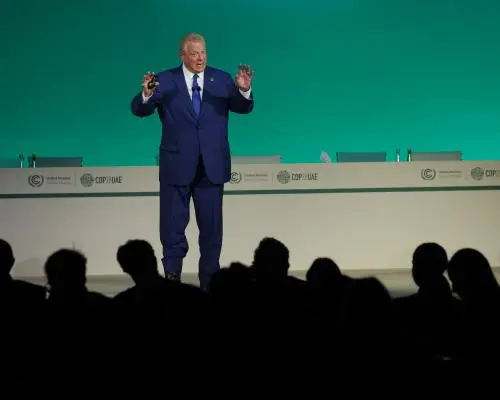
Twenty years after the release of his influential documentary An Inconvenient Truth, former US Vice President Al Gore reflected on the film's legacy and the ongoing challenges in addressing climate change. Speaking at a New York event marking the anniversary, Gore acknowledged the intense and persistent opposition from fossil fuel interests and their political allies, admitting he had not anticipated the scale of the backlash. Despite this, he expressed continued optimism that global efforts to confront the climate crisis will ultimately succeed.
Gore emphasized that while resistance has been fierce, public awareness and scientific understanding have grown significantly since 2006. He pointed to advancements in renewable energy, shifting public opinion, and increasing youth activism as signs of progress. The former vice-president noted that the documentary helped catalyze a global conversation about climate responsibility, even as powerful industries worked to undermine its message through disinformation campaigns and lobbying efforts.
How Do You Respond to Critics Who Say Individual Action Isn’t Enough
Gore observed that the climate landscape has evolved in complex ways over the past two decades. While carbon emissions continue to rise in some regions, many countries have adopted net-zero targets and invested heavily in wind and solar power. He highlighted the Paris Agreement as a pivotal moment of international cooperation, though he stressed that current pledges remain insufficient to limit warming to 1.5 degrees Celsius. Gore also acknowledged that climate impacts—such as extreme weather events, sea-level rise, and ecosystem disruption—are now more visible and severe than when the film premiered.
When asked about skepticism toward personal responsibility in climate action, Gore argued that individual choices collectively drive systemic change. He maintained that reducing personal carbon footprints, supporting clean energy policies, and holding corporations accountable are all essential components of a broader movement. Gore rejected the idea that systemic change negates the importance of personal action, stating that cultural shifts begin with informed individuals demanding accountability from institutions and leaders.
What did Al Gore say surprised him most about the climate debate? Gore said he was surprised by the ferocity and persistence of the backlash from the fossil fuel industry and its political allies, which he did not anticipate when the film was released.
Frequently Asked Questions
Does Al Gore believe the world is on track to avoid the worst climate outcomes? While acknowledging current efforts fall short, Gore expressed optimism that technological innovation, growing public pressure, and policy shifts will enable meaningful progress toward solving the climate crisis.
What role did An Inconvenient Truth play in climate awareness? The documentary helped bring climate science to a global audience, sparked widespread discussion, and contributed to increased public concern and policy attention on climate change in the years following its release.