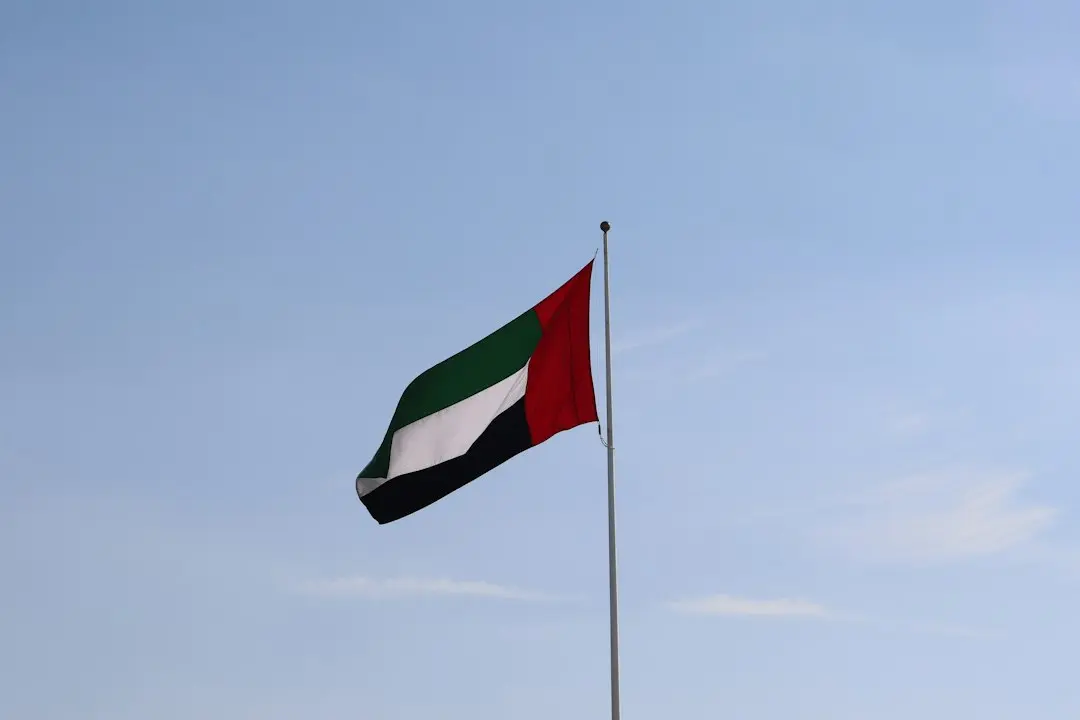
Diplomatic Confirmation From Abu Dhabi
Sheikh Mohamed bin Zayed Al Nahyan, the president of the United Arab Emirates, held discussions with Israeli Prime Minister Benjamin Netanyahu. The meeting took place during Netanyahu’s visit to the Gulf state on Sunday. The Emirati state news agency WAM released an official report confirming the encounter on Monday. This announcement marked the first formal acknowledgment by Abu Dhabi regarding the high-level diplomatic contact.
The two leaders focused their conversation on strengthening bilateral ties between the nations. They reviewed the current state of cooperation across various sectors. The visit highlighted the ongoing effort to deepen political and economic connections. Both sides emphasized the importance of maintaining open channels for dialogue.
The WAM report served as the primary source for verifying the summit. Prior to this release, details about the specific agenda remained limited. The agency noted that the discussion centered on mutual interests. Officials described the atmosphere as constructive and forward-looking. This transparency signals a desire to normalize public perception of the relationship. It moves beyond behind-the-scenes negotiations into visible statecraft.
What Does This Mean For Regional Alliances?
The timing of the visit reflects the broader regional dynamics in the Middle East. The UAE has been a key player in expanding ties with Israel since the Abraham Accords. Netanyahu’s presence in the region underscores the strategic weight of these partnerships. The leaders likely exchanged views on shared security concerns. Economic collaboration remains a central pillar of their interaction.
The confirmation adds clarity to the evolving diplomatic landscape. Analysts view such meetings as stabilizing factors in the area. The UAE continues to position itself as a hub for international engagement. By hosting the Israeli premier, Abu Dhabi reinforces its role as a mediator. The relationship is not just bilateral but carries implications for wider Gulf states. Other nations may look to this precedent for their own interactions.
Frequently Asked Questions
Future developments will depend on how quickly agreements are implemented. Trade deals and technology transfers could see accelerated progress. The political dimension of the partnership requires careful management. Domestic audiences in both countries are watching closely. Success in these talks could pave the way for further joint initiatives.
Did the UAE officially announce Netanyahu's visit? Yes, the Emirati state news agency WAM confirmed the meeting on Monday. This report provided the first official statement from Abu Dhabi regarding the Sunday visit.
Who led the discussions between the two countries? Sheikh Mohamed bin Zayed Al Nahyan represented the UAE as president. Benjamin Netanyahu attended as the Prime Minister of Israel. Their dialogue focused on enhancing bilateral relations.