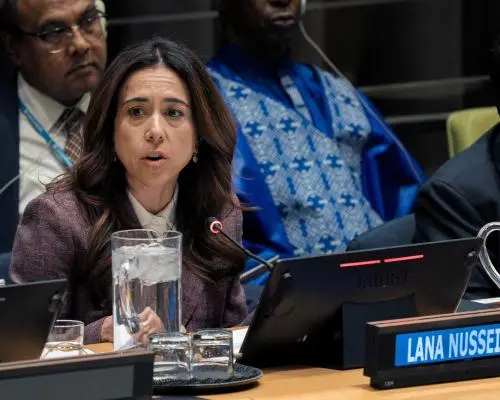
Diplomatic Tug‑of‑War Over Sudan Allegations
The United Kingdom and France have reportedly used their veto power to stop a United Arab Emirates envoy from advancing in the United Nations’ selection process for the next secretary‑general. The move, announced after the Security Council’s ninth informal poll on Friday, leaves the race deadlocked and forces the candidate to win the support of at least two more permanent members.
The UAE diplomat, a seasoned negotiator with a long record in Middle‑East peace talks, was initially favored by several African and Asian states. However, concerns over the United Arab Emirates’ alleged involvement in violent operations in Sudan have prompted the British and French delegations to oppose his candidacy. The veto does not end the process, but it raises the bar for the candidate, who must now secure backing from at least two of the remaining permanent members—China, Russia or the United States—to stay in contention.
The controversy stems from reports linking UAE‑backed militia groups to atrocities committed during Sudan’s ongoing conflict. Human‑rights observers have accused the Emirates of supplying arms and logistical support to factions accused of war crimes. British officials cited „serious concerns about accountability and the message a UN leader with such ties would send.” French diplomats echoed the sentiment, emphasizing the need for a secretary‑general who can uphold the organization’s moral authority.
Will the United States Shift the Balance?
Supporters of the Emirati candidate argue that his experience in mediation could benefit the UN’s stalled reform agenda. They point to his role in brokering ceasefires in Yemen and his participation in climate‑finance negotiations as evidence of his diplomatic skill. Yet, the veto illustrates how geopolitical calculations can outweigh individual credentials, especially when permanent members wield decisive power.
With the UK and France in opposition, the United States emerges as a pivotal player. Washington has not publicly taken a stance, but insiders suggest that American officials are weighing the candidate’s regional expertise against the potential diplomatic fallout from the Sudan allegations. If the U. S. decides to back the Emirati diplomat, the candidate would still need Russia or China to join the coalition, a scenario that appears unlikely given their own strategic interests in Africa.
The deadlock underscores the fragility of the UN’s selection mechanism, where a single veto can stall the entire process. Analysts warn that prolonged uncertainty may erode confidence in the organization’s ability to appoint a leader capable of navigating complex global crises.
Frequently Asked Questions
Why did the UK and France veto the UAE candidate? Both governments cited the United Arab Emirates’ suspected involvement in Sudan’s conflict, arguing that a secretary‑general linked to alleged war crimes would undermine the UN’s credibility.
What must happen for the candidate to remain in the race? He needs the affirmative votes of at least two other permanent Security Council members—China, Russia, or the United States—to offset the British and French vetoes.
How could this impasse affect the UN’s work? A prolonged leadership vacuum may delay key reforms, weaken diplomatic initiatives, and diminish the organization’s capacity to respond swiftly to international emergencies.