The Hidden Gap in Britain’s Climate Strategy
London – A growing consensus among policymakers and experts says Britain’s lack of water‑storage capacity has become an urgent national‑security issue. The warning follows a recent parliamentary debate where officials highlighted that existing reservoirs and flood‑plain schemes cannot meet future demand, especially as climate change intensifies droughts and floods across the country.
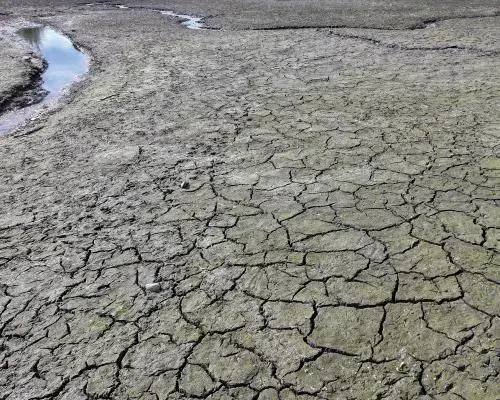
The concern was raised after a series of letters from readers responded to a climate‑policy roundup that omitted water storage from its list of priorities. Analysts say the omission is dangerous because the UK already faces record‑low river levels and strained supply networks. Without sufficient storage, the nation risks water rationing, agricultural losses, and heightened tension between regions competing for limited resources.
While the government has pledged billions for renewable energy, green transport and waste reduction, water‑storage projects have received far less attention and funding. Recent data from the Environment Agency indicate that the country’s usable reservoir capacity has fallen by roughly 15 % over the past decade, mainly due to sedimentation and aging infrastructure. Experts argue that this decline leaves the nation vulnerable to prolonged dry spells, which could cripple power generation at hydro‑dependent sites and force emergency water imports.
Why Is Water‑Storage a Security Issue?
Professor Elaine Hart of the University of Leeds warned, „When you combine climate‑induced variability with an aging storage network, you create a perfect storm for supply disruptions.” She added that the lack of strategic planning mirrors the broader failure to integrate water security into the nation’s climate resilience framework.
Water is essential for drinking, food production, industry and energy. A shortfall threatens not only public health but also economic stability. In 2023, the UK experienced its driest summer in 30 years, prompting the government to issue voluntary water‑saving advisories that were largely ignored. Analysts predict that without new reservoirs, underground aquifers, or innovative rain‑harvesting schemes, future droughts could force mandatory water rationing, sparking public unrest and straining emergency services.
The Ministry of Defence has also flagged water scarcity as a potential destabiliser for military bases and critical infrastructure. „Operational readiness depends on reliable water supplies,” a senior defence official told a closed‑door briefing. This link between civilian water security and national defence underscores why the issue has been elevated to a security priority.
Can Policy Catch Up Before the Next Drought?
Legislators are now pressing for a dedicated water‑storage fund, alongside accelerated approval for new reservoir projects and the retrofitting of existing dams with modern monitoring technology. Some local councils have begun pilot programmes to capture stormwater in urban green spaces, but scaling these initiatives will require coordinated national effort and substantial investment.
If the government fails to act, the consequences could be severe: increased water tariffs, loss of agricultural output, heightened competition between regions, and a possible erosion of public confidence in climate policy. Conversely, a swift, well‑funded response could safeguard water supplies, protect the economy, and reinforce the UK’s resilience against climate shocks.
Frequently Asked Questions
What is the current state of the UK’s water‑storage capacity? The nation’s usable reservoir space has shrunk by about 15 % over ten years, leaving it ill‑equipped to handle prolonged droughts or sudden floods.
How does water scarcity affect national security? Insufficient water jeopardises military bases, critical infrastructure, and public order, making it a strategic vulnerability alongside energy and food security.
What steps are being proposed to address the shortfall? Policymakers suggest creating a water‑storage fund, approving new reservoirs, upgrading existing dams, and expanding urban rain‑capture projects to boost overall capacity.