Veteran Commander Takes the Helm
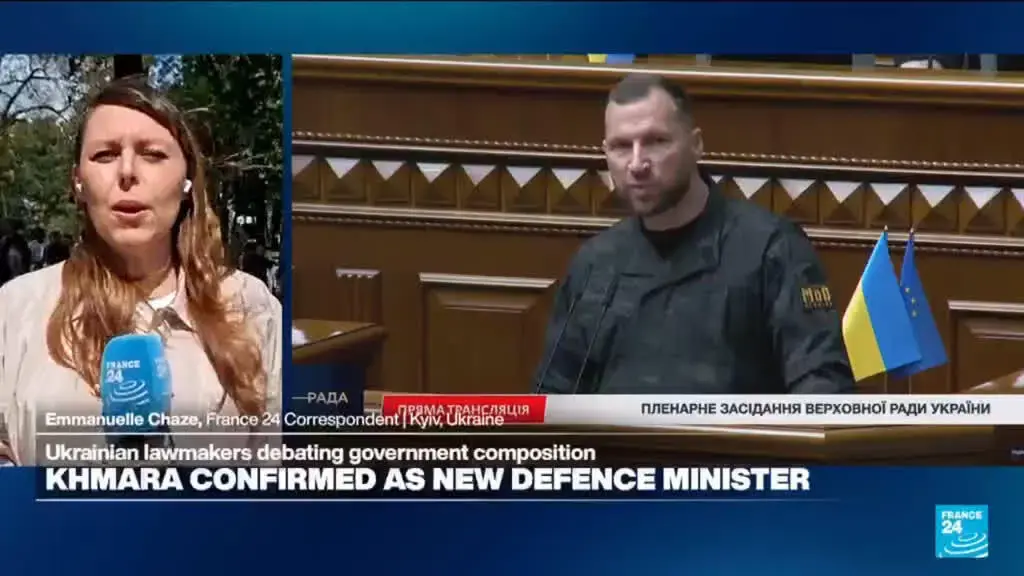
Kyiv – Ukraine’s parliament voted to install a new defence minister on Wednesday, a month after President Volodymyr Zelensky announced a sweeping cabinet reshuffle. The appointment comes amid ongoing war with Russia and internal debates over military strategy and leadership.
The vote followed intense negotiations among ruling party members and opposition figures, who weighed the nominee’s wartime experience against concerns about political loyalty. Lawmakers cited the need for fresh leadership to strengthen coordination with NATO allies and to address supply chain issues for frontline troops. The decision reflects Zelensky’s push to consolidate a more unified command as the conflict enters its second year.
The confirmed minister, a former army general with a record of leading successful operations in the eastern front, is expected to overhaul procurement processes and accelerate reforms within the armed forces. In his acceptance speech, he pledged to „streamline decision‑making, protect our soldiers, and ensure every rifle reaches the front line.” Analysts note his close ties to Western defense partners could boost joint training programs and increase the flow of modern equipment.
Will the New Leadership Shift Ukraine’s War Strategy?
Critics, however, warn that his close alignment with certain political factions may limit his ability to implement unbiased reforms. Opposition leader Oleksandr Turchynov argued that the appointment „risks politicizing the defence ministry at a time when unity is paramount.” Despite these concerns, the majority of deputies supported the candidate, signaling broad parliamentary backing for a more aggressive defence posture.
The fresh appointment raises questions about potential changes in Ukraine’s military tactics. Observers suggest the new minister may prioritize defensive fortifications in the Donbas region while expanding offensive capabilities elsewhere. He has hinted at revising the command structure to give regional commanders greater autonomy, a move that could speed up responses to Russian advances.
International partners have welcomed the development, emphasizing that stable civilian‑military relations are crucial for continued aid. NATO officials indicated they stand ready to assist with training and logistical support, contingent on transparent reforms within the ministry. The minister’s upcoming meetings with U. S. and European defense chiefs will likely set the tone for future assistance packages.
The appointment marks a pivotal moment for Ukraine’s war effort, potentially reshaping both internal military dynamics and external support. As the new defence minister assumes office, his ability to navigate political pressures and deliver tangible improvements on the battlefield will be closely watched.
Frequently Asked Questions
Who is the new defence minister? He is a former army general who led key operations on the eastern front and is known for close ties with NATO allies.
Why was the appointment controversial? Opposition parties feared the nominee’s political affiliations could compromise impartial defence reforms during a critical phase of the war.
What impact might this have on foreign aid? Western partners have signaled continued support, but expect transparent reforms and effective coordination from the ministry to maintain assistance levels.