Strengthening Europe’s Geopolitical Position
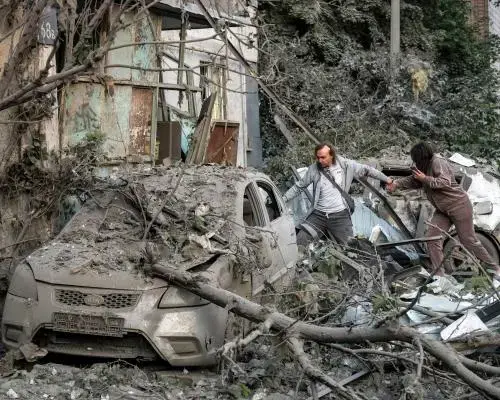
The conflict in Ukraine has stretched into its fifth year with no clear end in sight. With the United States increasingly focused elsewhere, the European Union faces a critical decision. Accelerating Ukraine’s path to EU membership could offer significant strategic advantages for the bloc itself.
Many EU governments currently express reservations about quickly integrating Ukraine. These concerns largely center on the economic and political adjustments required. However, a prolonged conflict and a weakened Ukraine ultimately pose greater risks to European security and stability. The current stalemate demands a bolder approach.
The war has fundamentally altered the geopolitical landscape. Russia continues to pursue battlefield gains, believing it can improve its negotiating leverage. Ukraine, understandably, shares the same objective. Both sides seem unwilling to compromise significantly at this stage. This creates a dangerous dynamic, prolonging suffering and instability.
Could Faster Integration Prevent Future Conflicts?
Granting Ukraine EU membership would fundamentally shift the balance of power. It would demonstrate a strong commitment to European values and security. It would also provide Ukraine with the economic and political support needed to resist Russian aggression more effectively. This isn’t simply about aiding Ukraine; it’s about bolstering Europe’s own defenses.
The benefits extend beyond immediate security concerns. A stable, prosperous Ukraine integrated into the EU would serve as a buffer against future Russian expansionism. It would also open up new economic opportunities for European businesses. The long-term costs of delaying membership – continued conflict, instability, and potential humanitarian crises – far outweigh the short-term challenges of integration.
Negotiations will undoubtedly be complex. Ukraine will need to implement significant reforms to align with EU standards. However, these reforms should be viewed as an investment in a stronger, more stable Europe. The EU has a history of successfully integrating new members, and it can provide the necessary support and guidance to Ukraine.
Ultimately, accelerating Ukraine’s EU membership is a strategic imperative. It’s a decision that will shape the future of Europe for decades to come. Delaying this decision only prolongs the conflict and increases the risks to European security. A proactive approach is essential.
Frequently Asked Questions
What are the main obstacles to Ukraine’s EU membership? Economic reforms and aligning with EU political standards are the primary hurdles. Corruption and governance issues also need to be addressed. However, the EU provides assistance to help candidate countries meet these requirements.
How would Ukraine’s membership impact the EU budget? Initially, there would be increased demands on the EU budget for financial assistance and infrastructure development. However, a stable and growing Ukrainian economy would eventually contribute to the EU’s overall economic strength.
Is there broad support within the EU for Ukraine’s rapid accession? Currently, there is significant division among EU member states. Some prioritize speed, while others emphasize the need for careful consideration and gradual integration. Overcoming this division is a key challenge.