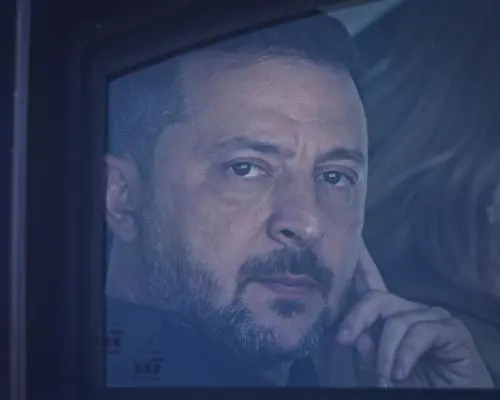
Foreign Voices, Domestic Consequences
The Ukrainian foreign minister, Andriy Sybiga, defended President Volodymyr Zelenskyy on Saturday, asserting that the Ukrainian people support him and should decide his future. The statement came after former U. S. President Donald Trump publicly urged the Ukrainian government to replace Zelenskyy, sparking a heated debate over the legitimacy of foreign interference in Ukraine’s political process.
Sybiga’s remarks were delivered in an interview with a local news outlet in Kyiv, where he emphasized that Zelenskyy’s leadership is rooted in popular support. „He has the support of the Ukrainian people, and they have the right to decide,” Sybiga said. He added that external criticisms only confirm that Zelenskyy is acting in the best interests of Ukraine. The comment follows a series of statements from Trump and his allies, who have repeatedly questioned Zelenskyy’s conduct and called for a change in leadership amid ongoing conflict with Russia.
The clash between Ukrainian officials and former U. S. President Trump highlights the tension between national sovereignty and international influence. While Trump’s calls for a leadership change were framed as concerns over corruption and governance, Ukrainian officials view them as unwarranted meddling. The foreign minister’s defense of Zelenskyy underscores a broader narrative that Ukraine’s political direction should be determined internally, especially during wartime.
Is External Pressure a Threat to Ukraine’s Sovereignty?
In addition to the political dispute, the situation reflects the broader geopolitical struggle over Ukraine’s future alignment. Russia’s continued military aggression has intensified calls from some Western politicians for a leadership overhaul, arguing that a new president might better negotiate peace. However, Ukrainian authorities argue that such calls undermine stability and could weaken resistance against Russian advances.
The question of whether foreign interference poses a real threat to Ukraine’s sovereignty has become central to the debate. Ukrainian officials argue that external pressure, especially from influential figures like Trump, could erode public confidence in the current administration. Critics claim that foreign demands may pressure Ukraine to compromise on its defense strategies or diplomatic positions.
Conversely, supporters of Trump’s stance argue that the Ukrainian leadership has faced corruption allegations and that a new president could bring fresh reforms. They contend that external scrutiny is necessary to hold leaders accountable, especially when the nation faces existential threats.
The outcome of this dispute will shape Ukraine’s political landscape for years to come. If foreign pressure intensifies, it could lead to increased political instability, potentially weakening Ukraine’s ability to resist Russian aggression. On the other hand, a strong domestic defense of Zelenskyy may reinforce national unity and deter external meddling, allowing Ukraine to focus on its military and diplomatic objectives.
Frequently Asked Questions
Q1: Why did Donald Trump call for Zelenskyy’s replacement? A1: Trump cited concerns over corruption and governance, claiming that a new leader could better negotiate peace with Russia and improve Ukraine’s internal reforms.
Q2: How has the Ukrainian public responded to Trump’s statements? A2: Surveys indicate strong support for Zelenskyy, with many Ukrainians viewing foreign criticism as interference and preferring that their political future be decided domestically.
Q3: What could happen if Ukraine accepts foreign pressure to change its president? A3: Accepting such pressure could destabilize the government, weaken military cohesion, and potentially embolden Russian aggression by signaling internal divisions.