Re‑industrialising Britain Without Ignoring the Climate
Andy Burnham, the former mayor of Greater Manchester, is poised to become Britain’s next prime minister. His ascent comes as the country endures a third heatwave this year, with soaring temperatures, wildfires, and soaring energy bills testing public patience across England and Wales.
Burnham inherits a nation grappling with climate‑related emergencies. Recent wildfires have shrouded Manchester in smoke, while record‑breaking heat has damaged crops and forced schools to close. At the same time, the government is under pressure to revive industry and consider new North Sea oil and gas drilling to curb rising energy costs. Balancing these competing demands will define his early tenure.
The new administration has pledged a „green industrial strategy” that promises jobs in low‑carbon sectors such as hydrogen, offshore wind, and carbon capture. Ministers say the plan will attract private investment while meeting the 2050 net‑zero target. Yet critics warn that the push for rapid re‑industrialisation could sideline emissions cuts if not tightly regulated. Recent data from the Department for Business shows a 12 % rise in manufacturing output last quarter, but carbon intensity has barely moved, highlighting the challenge of decoupling growth from pollution.
Can the UK Meet Net‑Zero Targets While Expanding North Sea Drilling?
Energy security is another focal point. With household bills climbing to historic highs, Burnburn’s team is exploring short‑term relief measures, including subsidies for vulnerable families and a temporary cap on gas prices. Long‑term solutions involve expanding renewable capacity and modernising the grid. The balance between immediate relief and sustainable transformation will test the government’s credibility on climate commitments.
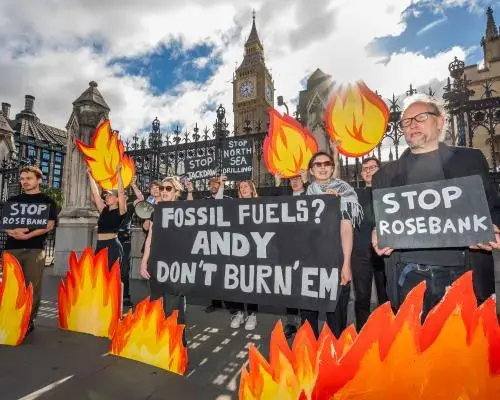
Opposition parties and environmental groups have raised alarms over proposals to open new drilling sites in the North Sea. They argue that any additional fossil‑fuel extraction contradicts the UK’s legally binding net‑zero pledge. The prime minister’s office counters that domestic production could reduce reliance on imported gas, stabilising prices while the country transitions to greener energy sources.
Analysts suggest a phased approach: limit new wells, enforce strict emissions standards, and reinvest a portion of the revenues into renewable projects. Recent reports from the Energy Institute indicate that, even with modest drilling, the UK could meet its 2030 emissions reduction goals if parallel investments in wind and solar accelerate. The debate underscores the tension between economic recovery and environmental stewardship that Burnham must navigate.
The coming months will reveal whether Burnham can reconcile the urgent need for affordable energy with the long‑term imperative of climate action. Success could restore public confidence and set a global example; failure may deepen the divide between economic and environmental priorities.
Frequently Asked Questions
What immediate steps will the new government take to address soaring energy bills? The administration plans to extend existing subsidies for low‑income households, introduce a temporary gas price cap, and accelerate approvals for renewable projects to increase supply.
How does the proposed North Sea drilling align with the UK’s net‑zero target? Officials argue that limited, tightly regulated drilling can provide short‑term energy security while revenues fund green technologies, but critics warn it risks delaying the transition away from fossil fuels.
Will re‑industrialisation efforts prioritize low‑carbon technologies? The government’s green industrial strategy emphasizes hydrogen, offshore wind, and carbon‑capture facilities, aiming to create jobs without compromising emissions goals.