Russia and China opposed the expansion
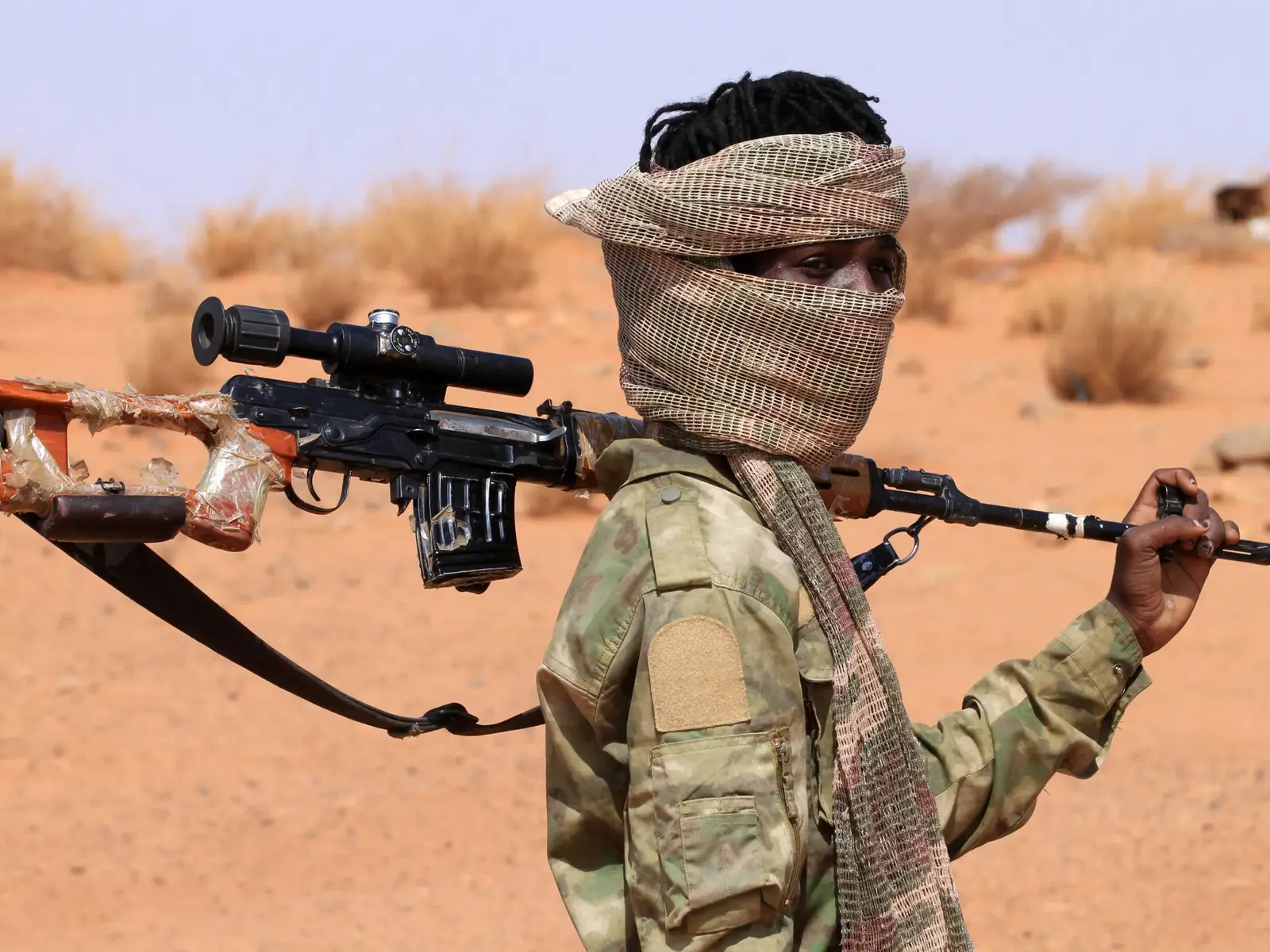
The United Nations Security Council voted to renew the arms embargo on Darfur for another year while rejecting a U. S.-led proposal to expand the measure to cover all of Sudan. The decision came amid ongoing violence and humanitarian crisis in the region, with Russia and China using their veto power to block the broader sanctions initiative. The vote highlights deep divisions within the Council over how to address the conflict in Sudan. The embargo, first imposed in 2005, prohibits the supply of arms to non-governmental entities in Darfur. The U. S. proposal sought to extend this restriction nationwide, arguing that arms flows are fueling violence beyond Darfur, particularly in Khartoum and other regions where fighting between the Sudanese army and paramilitary forces has intensified since April 2023.
Russia and China opposed the expansion, stating that such measures could undermine peace efforts and violate Sudan’s sovereignty, calling instead for dialogue and African-led solutions. Why Did Russia and China Veto the Broader Sanctions? Russia and China argued that expanding the embargo would not address the root causes of the conflict and could worsen the humanitarian situation by restricting legitimate defense capabilities. They emphasized that the U. S. move appeared politically motivated and lacked consensus among African nations. Both countries have maintained close ties with Sudan’s government and have previously resisted Western-led interventions in African affairs, preferring non-coercive diplomatic engagement. What Are the Implications for Civilians in Sudan? Humanitarian groups warn that the continued flow of weapons into Sudan is exacerbating violence, displacing millions and worsening food insecurity. With the embargo limited to Darfur, arms can still legally enter other parts of the country, potentially fueling further clashes.
Aid organizations report that access to conflict zones remains severely restricted
Aid organizations report that access to conflict zones remains severely restricted, and civilian casualties are rising, particularly in urban centers where artillery and airstrikes are being used. Frequently Asked Questions What does the Darfur arms embargo prohibit? It bans the supply of arms, ammunition, and related materiel to non-governmental entities and individuals in Darfur, including militias and rebel groups, while allowing government forces to receive weapons under certain conditions. Why did the U. S. want to expand the embargo nationwide? The U. S. argued that arms are being transferred from Darfur to other conflict zones in Sudan, contributing to broader violence, and that a nationwide restriction would help curb the flow of weapons fueling the war between the Sudanese armed forces and the Rapid Support Forces. How long will the current embargo last?
The embargo has been renewed for one year, subject to further review by the UN Security Council, with the next assessment expected before its expiration.