The Risks of Forced Return
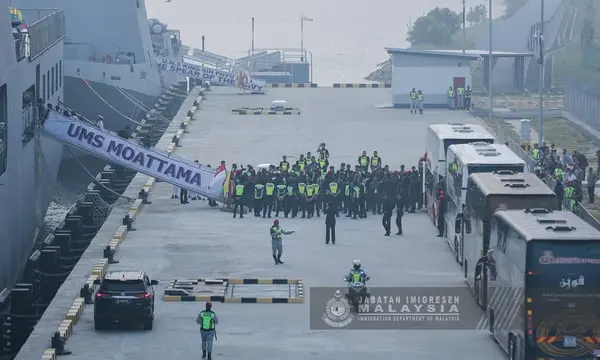
The United Nations refugee agency has expressed deep alarm over Malaysia's ongoing decision to deport vulnerable asylum seekers back to Myanmar. This urgent warning emerged as officials in Kuala Lumpur formally confirmed plans to send an additional 3,500 individuals back to the strife-torn nation under a disputed repatriation framework.
The controversial returns operate under what the Malaysian government labels a voluntary repatriation scheme coordinated with the military junta in Myanmar. International human rights advocates and United Nations officials have repeatedly questioned the genuine freedom of choice for refugees facing removal to a country gripped by severe political violence and instability.
Will Regional Diplomacy Alter Malaysia's Course?
Sending individuals back to Myanmar violates fundamental international protection principles regarding non-refoulement, which forbids returning people to territories where their lives face grave threats. The UN agency emphasizes that formal asylum seekers possess legitimate claims for international safety that require thorough, independent evaluation rather than administrative expulsion.
Despite mounting global criticism and appeals from humanitarian organizations, Malaysian authorities continue advancing their scheduled removal operations. The fate of the thousands slated for departure remains precarious as diplomatic pressure intensifies behind closed doors.
Frequently Asked Questions
Regional diplomatic channels face immense pressure to intervene and halt the systematic expulsions before the vulnerable population is fully transferred. Neighboring nations and international bodies are urging Kuala Lumpur to suspend the flights and collaborate with humanitarian monitors to ensure proper safety assessments.
Without an immediate shift in policy, thousands of vulnerable people will face severe peril upon arrival in Myanmar. The UN refugee agency maintains its call for an immediate halt to all involuntary returns, urging the Malaysian government to respect international human rights standards.