Trading Blows: Allies Push Back Against Trump's Tariffs
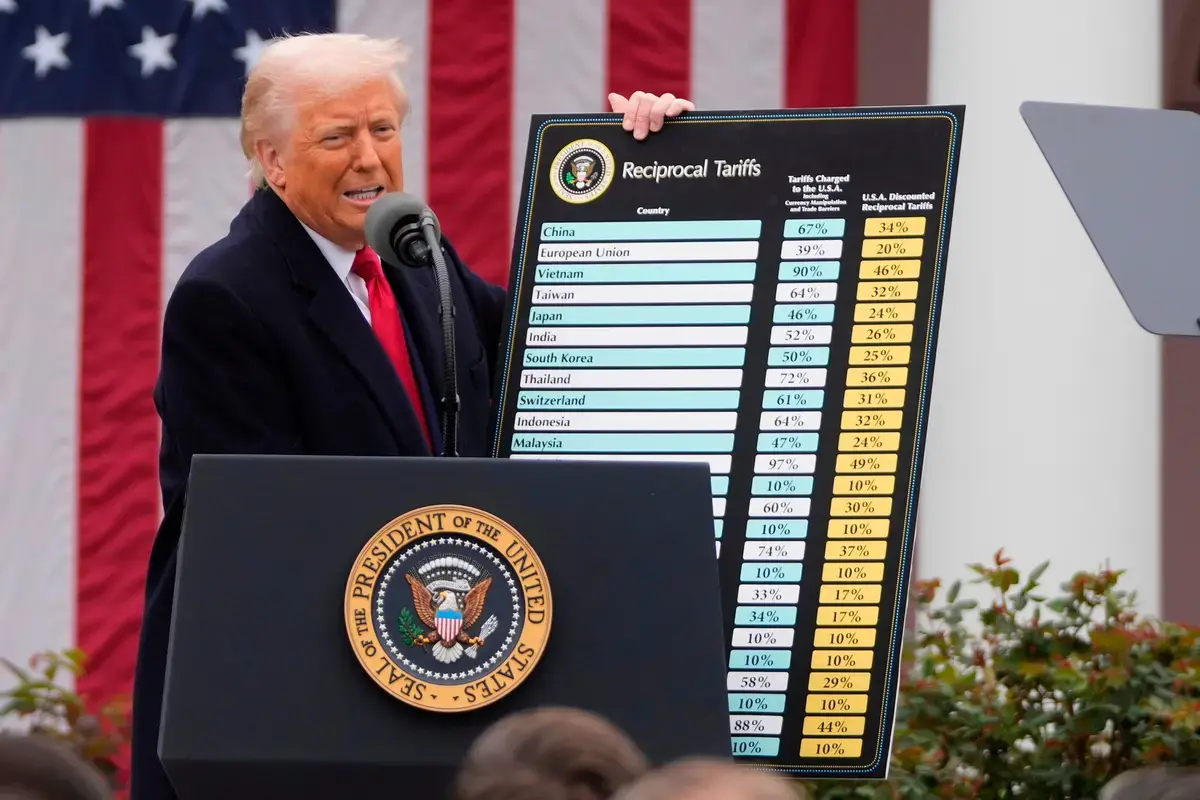
America's key allies, including Australia and the European Union, have hit back at President Donald Trump's latest tariff increases. The new tariffs were announced earlier this month, sparking widespread criticism from US trading partners. The move has reignited tensions in global trade.
The tariffs are part of Trump's efforts to renegotiate trade deals and address what he sees as unfair trade practices. However, his allies argue that the measures are counterproductive and will harm their economies. They also dispute Trump's claims that they are engaging in forced labor practices.
Are Trump's Forced Labor Claims Justified?
The European Union has been particularly vocal in its opposition, stating that the tariffs are unacceptableand will lead to retaliatory measures. Australia has also expressed its concerns, saying that the tariffs will damage its exports and hurt American businesses that rely on Australian goods. Trump's administration has defended the tariffs, saying they are necessary to protect American industries.
Critics argue that Trump's claims of forced labor are unfounded and lack evidence. They point out that many of the countries targeted by the tariffs have robust laws and regulations in place to prevent forced labor. The International Labor Organization has also expressed concerns that the tariffs will harm workers in affected countries.
Frequently Asked Questions
The escalating trade tensions are likely to have far-reaching consequences for global economies. As the situation continues to unfold, businesses and investors will be watching closely for signs of further escalation.
What are the main countries affected by the new tariffs? The main countries affected are Australia and members of the European Union. Why is the EU opposing the tariffs? The EU is opposing the tariffs because it believes they are unacceptable and will lead to retaliatory measures. What are the potential consequences of the trade tensions? The potential consequences include damage to global economies and harm to workers in affected countries.