Reviving American Industry
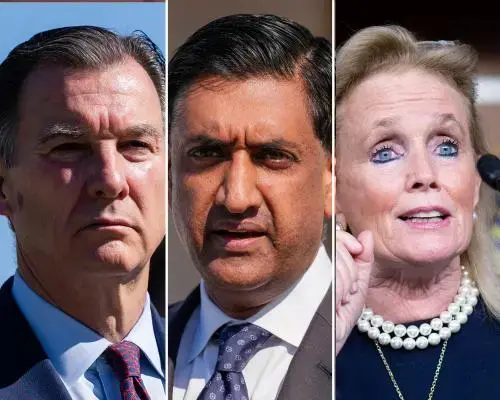
Democratic lawmakers in the US Congress have introduced a bill to revitalize the country's industrial heartlands by imposing tariffs on China. The proposal, unveiled this week, aims to create a new bank to strengthen domestic manufacturing with up to $15 billion in annual funding.
The plan is part of a broader effort to reindustrializethe US economy, with proponents arguing that it would help to reverse decades of decline in the country's manufacturing sector. The bill's supporters claim that the new bank would provide crucial financing for domestic industries, enabling them to compete more effectively with Chinese companies.
Can Tariffs Fund a Manufacturing Revival?
The proposed bank would offer grants, loans, and investments to support US manufacturers, with a focus on emerging technologies and strategic sectors. Representative Ro Khanna, a key backer of the bill, said the initiative would help to create new jobs and stimulate economic growth in regions that have been hit hard by globalization and automation.
The Democrats' plan is seen as a bold move, with some comparing it to the massive industrial mobilization efforts undertaken during World War II. If successful, the new bank could play a key role in shaping the future of US industry, enabling the country to compete more effectively in the global economy.
Critics may argue that the plan relies too heavily on tariffs, which can have unintended consequences, such as higher prices for consumers. However, supporters counter that the benefits of a revitalized manufacturing sector would outweigh the costs.
Frequently Asked Questions
The proposal is likely to face intense debate in Congress, with Republicans and business groups expected to raise concerns about the potential impact on trade and the economy. Nevertheless, the Democrats' plan represents a significant effort to address the decline of US industry and could have far-reaching consequences for the country's economic future.
What would the new bank fund? How would the bank be funded? The bank would be funded through revenue raised by tariffs on China, with up to $15 billion available each year. What are the goals of the proposal? The proposal aims to revitalize the US manufacturing sector, create new jobs, and stimulate economic growth in regions hit hard by globalization and automation.