Voter Information at Stake
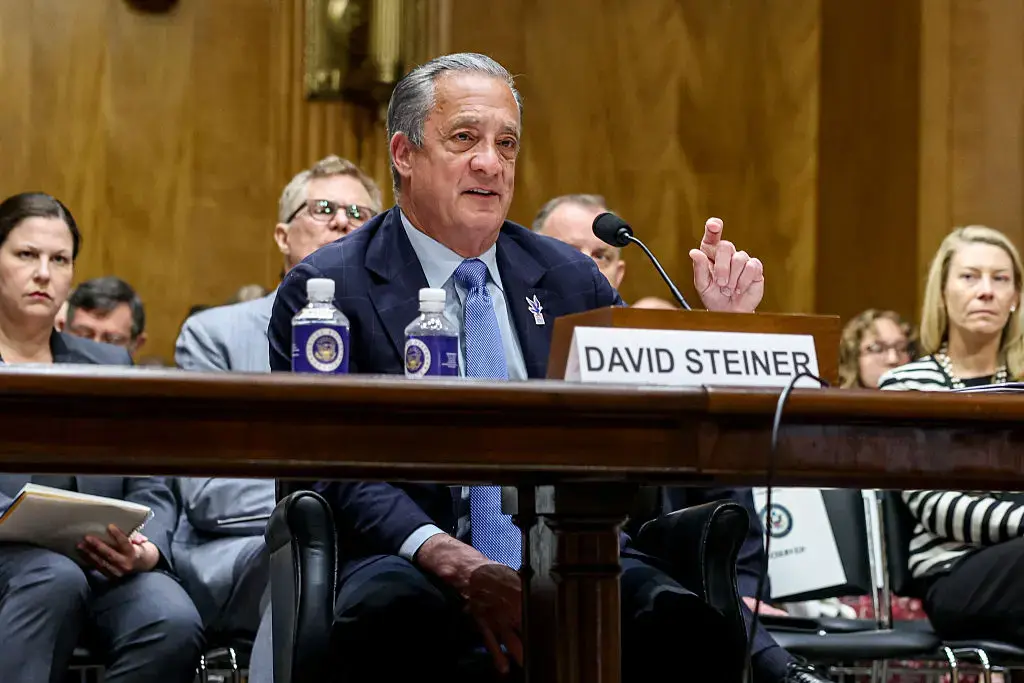
The US Postal Service is planning to stop delivering mail-in ballots to states that don't share voter information with the federal government. This decision is linked to a new proposal by the Trump Administration. Postmaster General David Steiner confirmed the plan this week.
The proposed rule was released in June, following President Donald Trump's signing of an executive order months earlier. Democrats have expressed concern that Trump is trying to exert authority over the Postal Service. The move is seen as an attempt to restrict voting by mail, a method that has gained popularity during the pandemic.
The Trump Administration's proposal requires states to share sensitive voter information with the federal government to continue receiving mail-in ballot delivery services. This includes details such as voter names, addresses, and voting histories. States that refuse to comply would have their mail-in ballots withheld.
Will Voting Rights be Affected?
The restriction could significantly impact voting rights, particularly for citizens who rely on mail-in ballots. This includes voters with disabilities, those living abroad, and individuals who may not have access to in-person polling stations. The decision has sparked concerns about voter suppression.
The outcome of this proposal remains uncertain, but it is clear that the US Postal Service's decision could have far-reaching consequences for the upcoming elections. The restriction may lead to a decrease in voter turnout, potentially affecting the overall outcome of the elections.
Frequently Asked Questions
What is the main reason for the US Postal Service's decision? The decision is linked to a new proposal requiring states to share sensitive voter information with the federal government.
What type of voter information is being requested? The information includes voter names, addresses, and voting histories.
How might this decision affect voters?