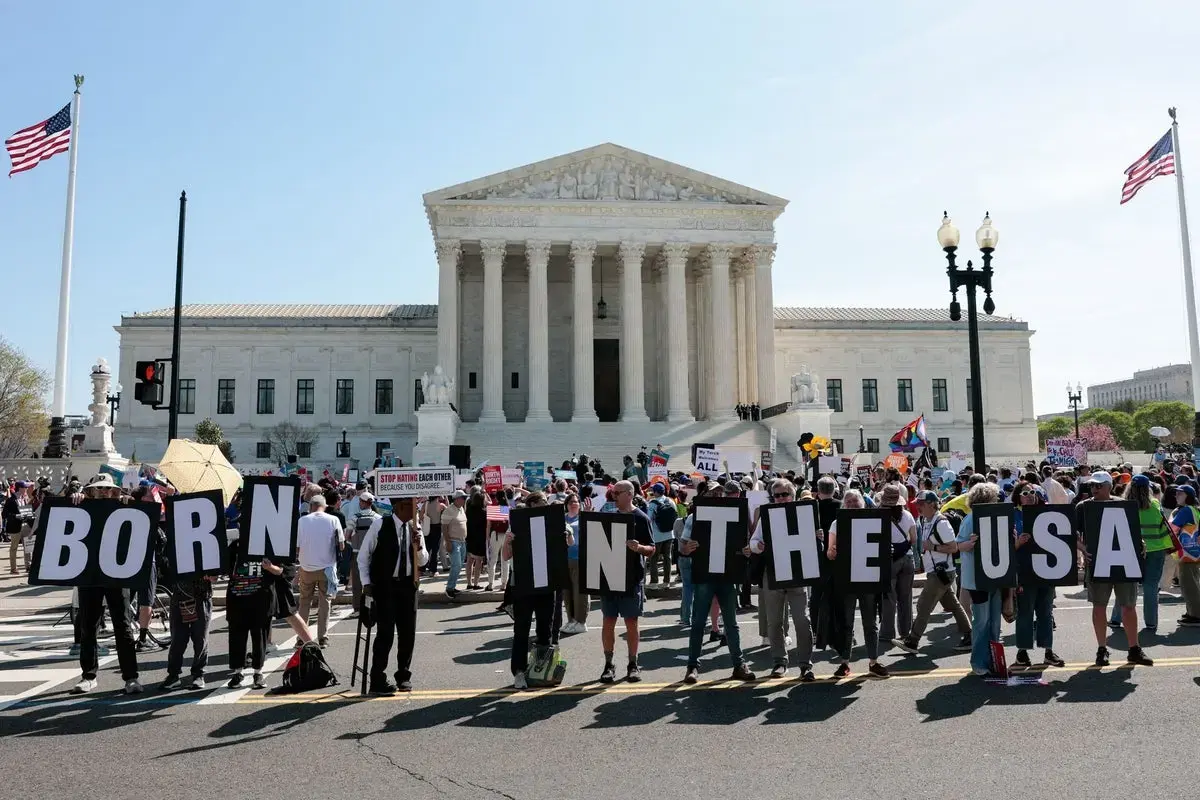
Citizenship by Birth: A Fundamental Right
The US Supreme Court has ended its term with a landmark decision, affirming that anyone born in the US is a citizen. The ruling was made on the final day of the court's term. It directly counters a previous executive order by former President Trump.
The court's decision effectively strikes down Trump's executive order on birthright citizenship. This order had aimed to alter the long-standing principle that anyone born on US soil is automatically granted citizenship. The justices' affirmation upholds a fundamental aspect of US law and constitutional interpretation.
Can Trump's Legacy Still Influence Immigration Policy?
The concept of birthright citizenship is rooted in the 14th Amendment to the US Constitution. It has been a cornerstone of American identity and law for over a century. The Supreme Court's decision reaffirms this principle, ensuring that individuals born in the US continue to be granted citizenship.
Despite the ruling, the debate around immigration and citizenship is likely to continue. The decision may influence future policy discussions and potential executive actions on immigration.
Frequently Asked Questions
The Supreme Court's ruling has significant implications for US immigration policy and the lives of individuals born in the US. It maintains the status quo, ensuring that birthright citizenship remains a fundamental right in the US.
What is birthright citizenship? Birthright citizenship is the principle that anyone born in the US is automatically a US citizen. It is enshrined in the 14th Amendment to the US Constitution. Does this ruling affect existing immigration laws? The ruling specifically addresses citizenship by birth and does not directly alter existing immigration laws. What are the implications for future US policy? The decision may shape future discussions around immigration and citizenship, potentially influencing policy directions.