A Shift in Iran Policy?
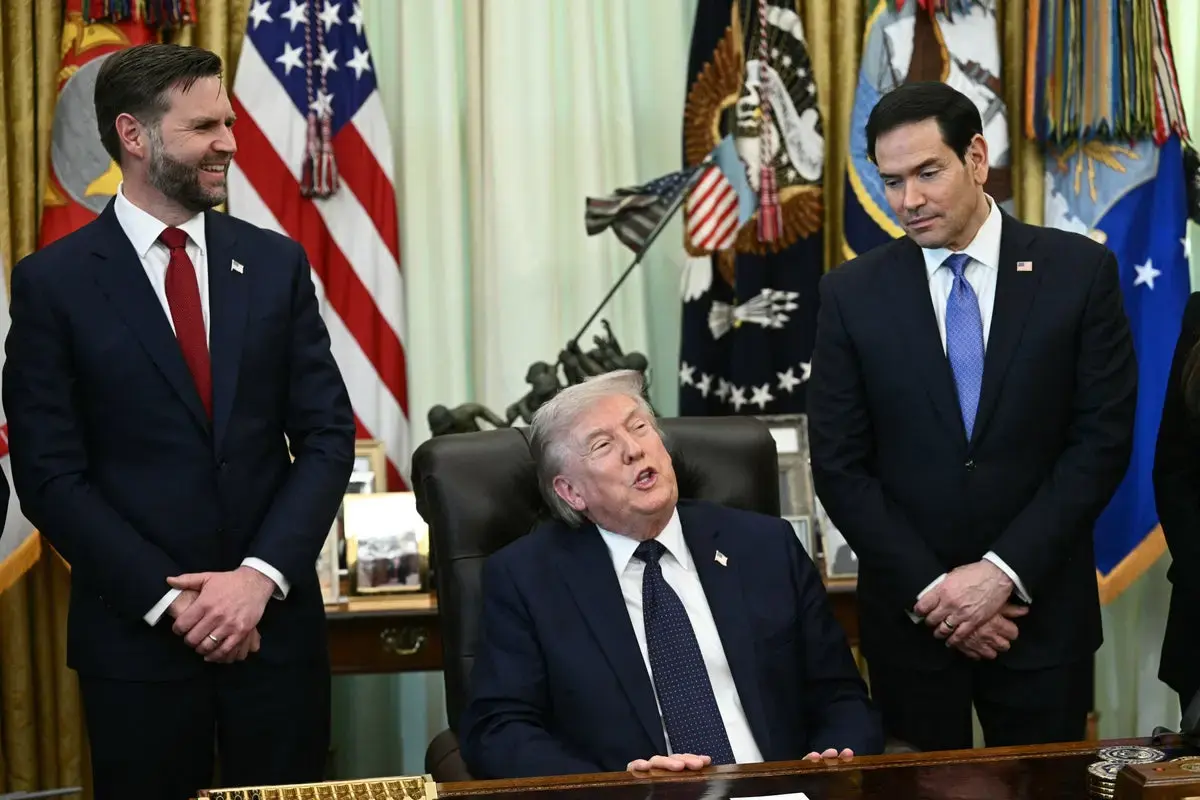
Two Republican senators, JD Vance and Marco Rubio, are taking different stances on Iran, as they position themselves for a potential 2028 presidential run. Their distinct backgrounds and policy experiences have driven them apart on this critical issue. The divergence is evident in their recent statements.
The senators' differing views on Iran are rooted in their unique experiences and policy priorities. Vance has been vocal about his support for a more conciliatory approach towards Iran, claiming that Donald Trump wants to turn over a new leafin dealing with the country. Rubio, on the other hand, has taken a harder line, emphasizing the need for a strong stance against Iran's nuclear ambitions.
Can the US Find Common Ground with Iran?
Vance's approach is centered on renegotiating the Joint Comprehensive Plan of Action (JCPOA), with a focus on addressing Iran's ballistic missile program. He believes that a more pragmatic approach can help to reduce tensions and prevent further escalation. In contrast, Rubio has expressed skepticism about the JCPOA, arguing that it fails to adequately address Iran's nuclear ambitions and its support for terrorist organizations.
Rubio's stance is informed by his experience on the Senate Foreign Relations Committee, where he has been a vocal critic of the JCPOA. He has also been a strong advocate for a more robust US presence in the Middle East, citing the need to counter Iranian influence in the region.
The divergence between Vance and Rubio on Iran policy reflects broader debates within the Republican Party about how to approach this critical issue. As they compete for the 2028 presidential nomination, their differing views are likely to be subject to intense scrutiny.
Frequently Asked Questions
The consequences of their divergent approaches will be significant, as the next US president will have to navigate a complex and rapidly evolving Middle East landscape. A more conciliatory approach, as advocated by Vance, may help to reduce tensions, but risks being seen as weak by some critics. A harder line, as pushed by Rubio, may be more effective in countering Iranian aggression, but carries the risk of further escalation.
What is Vance's proposed approach to Iran? Vance wants to renegotiate the JCPOA, focusing on Iran's ballistic missile program. He believes this can reduce tensions. How does Rubio's stance differ? Rubio is skeptical of the JCPOA and advocates for a stronger US presence in the Middle East to counter Iranian influence. What are the implications of their differing views? The next US president's approach to Iran will have significant consequences for regional stability and US foreign policy.