Why Are Venezuelans Challenging Rodríguez's UN Presence?
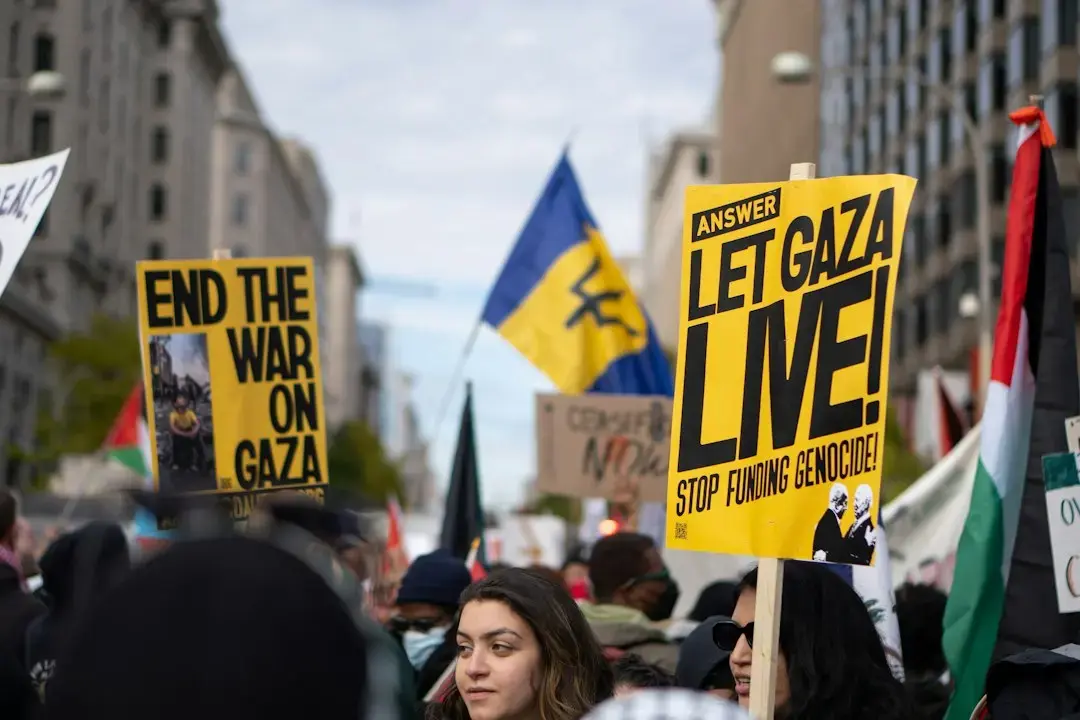
Venezuelan demonstrators gathered outside the United Nations headquarters in New York City to protest the presence of interim leader Delcy Rodríguez, who attended a UN event despite widespread international criticism of her government's legitimacy. The protest occurred on Tuesday during Rodríguez's participation in a forum on sustainable development, drawing attention from Venezuelan expatriates and human rights advocates. Protesters carried flags and signs denouncing what they describe as the illegitimate representation of Venezuela at the UN, arguing that Rodríguez does not reflect the will of the Venezuelan people.
The demonstration highlighted ongoing tensions between Venezuela's opposition and the current interim administration, which many countries do not recognize as legitimate. Protesters accused Rodríguez of representing a regime responsible for economic collapse, political repression, and mass migration. They called on the UN to reconsider its engagement with Venezuelan officials until democratic elections are held and human rights abuses are addressed. Organizers emphasized that the protest was peaceful and aimed at raising awareness about the humanitarian crisis affecting millions of Venezuelans both inside and outside the country.
What Impact Could These Protests Have on UN Policy?
Many Venezuelans argue that allowing Delcy Rodríguez to speak at UN forums undermines international efforts to pressure the government for democratic reforms. They point to her role in an administration widely viewed as authoritarian, citing reports of arbitrary detentions, censorship, and suppression of dissent. Critics say her participation gives undeserved legitimacy to a government that has failed to address severe shortages of food, medicine, and basic services. Supporters of the protest believe international institutions should uphold democratic principles by engaging only with representatives chosen through free and fair elections.
The demonstration may influence how the UN approaches engagement with Venezuelan officials in future events. While the UN maintains channels of communication with all member states, increasing pressure from civil society and member nations could lead to stricter guidelines on who is permitted to represent Venezuela in official forums. Analysts suggest that sustained protests could encourage the UN to prioritize dialogue with opposition groups and civil society organizations advocating for democratic restoration. However, any shift in policy would likely depend on broader geopolitical dynamics and consensus among member states regarding Venezuela's political situation.
Who is Delcy Rodríguez and why is her role controversial? Delcy Rodríguez serves as Venezuela's interim leader and has been criticized by opposition groups and several countries for lacking democratic legitimacy due to disputed electoral processes and authoritarian governance.
Frequently Asked Questions
What were the main demands of the protesters outside the UN? Protesters demanded that the UN cease recognizing Rodríguez as Venezuela's legitimate representative and called for support toward free elections and accountability for human rights violations.
How has the international community responded to Venezuela's political crisis? Many nations, including the United States and members of the European Union, have refused to recognize Rodríguez's government, instead backing opposition leader Juan Guaidó or calling for new elections to resolve the political stalemate.