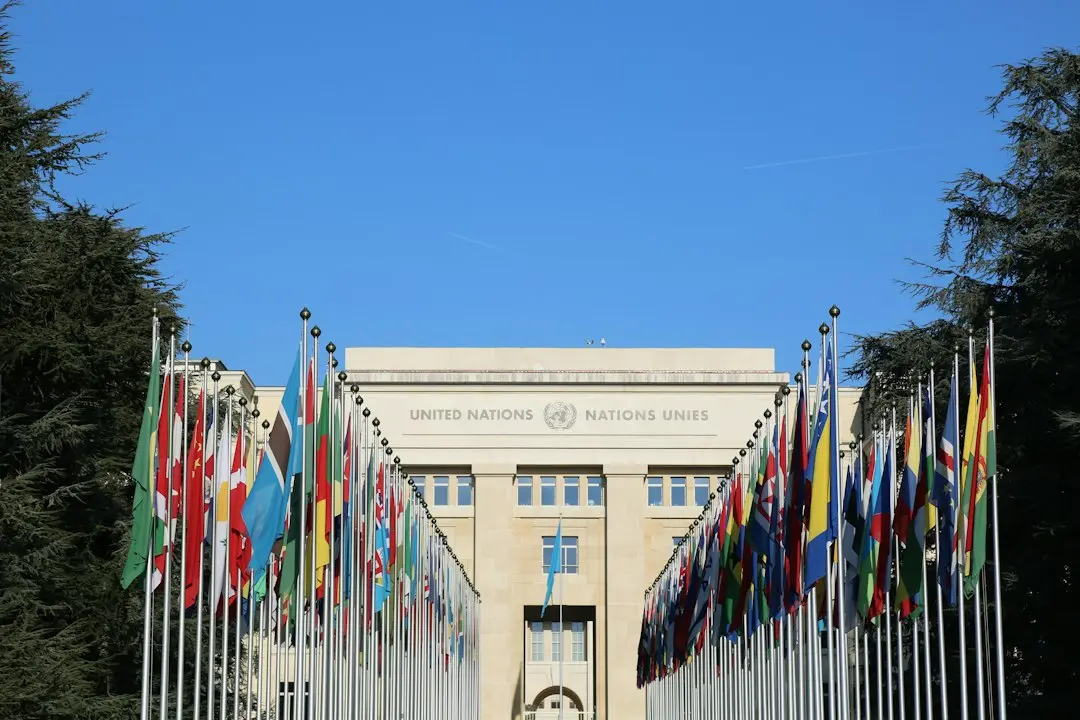
A Diplomatic Reversal in New York
Seven years after warning the United Nations about American regime change efforts, Venezuelan Vice President Delcy Rodriguez returned to the New York stage this week. Her latest appearance signaled a dramatic pivot in rhetoric. She arrived not to confront the United States, but to acknowledge the current geopolitical reality regarding her nation's resources.
The shift reflects a significant change in how Caracas manages its international standing. Years of tense standoffs over sanctions and resource control have evolved into a new phase of diplomacy. Rodriguez’s presence underscored the administration's attempt to stabilize its position on the global stage after a long period of isolation.
The tone of the Venezuelan delegation contrasted sharply with their previous appearances. In past years, the UN podium served as a platform for fierce defiance against Washington. This time, the focus shifted toward recognizing the victors of a long-standing power struggle. Observers noted that the rhetoric now favors pragmatic engagement over ideological confrontation.
Is This the End of Confrontational Diplomacy?
This change highlights the internal and external pressures facing the Venezuelan government. By acknowledging those who now hold influence over the nation’s assets, the administration appears to be seeking a path toward normalization. The move suggests a strategic calculation to secure economic stability after years of severe international sanctions.
The implications of this change remain a subject of intense debate among regional analysts. Some view the move as a necessary concession to ensure the regime's survival in a changing political climate. Others argue that the shift is merely a tactical pause in a much longer game of regional influence.
Frequently Asked Questions
The long-term consequences for the Venezuelan people are still unclear. While the government seeks to mend fences with global powers, the domestic economic situation remains fragile. Whether this diplomatic pivot translates into tangible relief for citizens or merely secures the interests of the elite remains the central question for the coming year.
What prompted the change in Venezuela’s UN rhetoric? The government is responding to shifting geopolitical realities and the need for economic stability. This pivot aims to move past years of isolation and intense sanctions.
Does this change signal a permanent shift in policy? It is currently unclear if this represents a lasting change or a tactical maneuver. Analysts remain divided on whether this indicates a genuine long-term shift in governance.