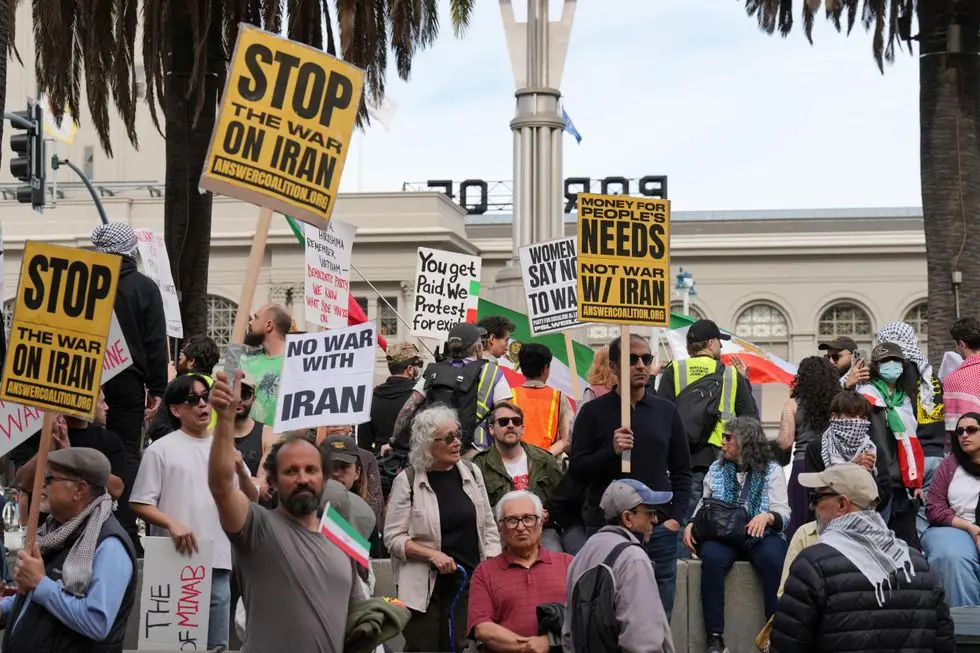
Why the Iran Conflict Has Surged in Voter Consciousness
As the midterm election approaches, two recent nationwide polls reveal that the war with Iran has risen to the forefront of voters’ concerns, surpassing issues such as immigration and crime. National surveys conducted by Fox News and the Associated Press‑NORC place the Iran conflict just behind economic matters, government corruption, and health care in the list of top priorities for the electorate.
The Fox News poll, which sampled 1,200 registered voters across the United States, found that 38 % of respondents listed the Iran war as a top concern. The Associated Press‑NORC survey, drawing from a larger sample of 3,500 voters, reported a similar figure, with 36 % citing the conflict as a key issue. Both studies highlight that while traditional domestic issues remain important, foreign policy, particularly the escalating tensions with Iran, has captured the public’s attention.
The recent escalation in the Middle East, including the U. S. military’s response to Iranian provocations and the threat of a broader regional war, has amplified fears about national security. Voters across party lines express worry that a conflict could destabilize the global economy, increase energy prices, and strain diplomatic relations. Analysts suggest that the heightened media coverage and the perceived immediacy of the threat have shifted public focus toward international affairs, even as domestic issues such as the economy and healthcare continue to dominate.
How Will Candidates Respond to the Rising Priority of Iran?
In the Fox News poll, respondents who cited the Iran war as a priority were evenly split between Democrats and Republicans, indicating a bipartisan concern. The Associated Press‑NORC data showed that younger voters (ages 18‑34) were slightly more likely to rank the conflict higher than older voters, reflecting a generational shift toward global engagement. Campaign strategists note that candidates who address foreign policy decisively may gain an advantage among these voters.
Political leaders are already adjusting their platforms to address the growing anxiety over the Iran situation. Several congressional candidates have pledged to strengthen diplomatic efforts and to increase defense spending aimed at countering Iranian influence. Some Democrats are emphasizing multilateral cooperation, while Republicans are focusing on a hard‑line approach and robust deterrence measures.
Campaign staffers report that messaging around national security has become a critical component of voter outreach. „We’re seeing a clear signal that voters want leaders who can navigate complex international threats,” said a campaign strategist. „It’s not just about the economy anymore; it’s about keeping the country safe.” The shift also influences fundraising, with donors increasingly supporting candidates who demonstrate a strong stance on foreign policy.
What Does This Mean for the Midterm Election Outcome?
The polls suggest that candidates who fail to address the Iran conflict may risk alienating a segment of the electorate that views the war as a top concern. Conversely, those who present clear, actionable plans could mobilize voters who are currently undecided or leaning toward third‑party options.
The rise of the Iran war as a voter priority could reshape the electoral landscape. Candidates who effectively address foreign policy may attract voters who otherwise prioritize domestic issues. The polls indicate that the election’s outcome might hinge on how well candidates balance national security with economic and social concerns.
In the coming weeks, as campaign rallies and debates intensify, voters will likely scrutinize each candidate’s foreign policy record. The result could lead to a more pronounced focus on international affairs in the political discourse, potentially influencing future legislative agendas and national security budgets.
Frequently Asked Questions
Q1: How does the Iran war compare to other foreign policy issues in voter surveys? A1: The Iran conflict tops the list of foreign policy concerns, surpassing issues such as China, North Korea, and Russia, according to the latest polls.
Q2: Are voters more concerned about the Iran war than domestic crime? A2: Yes, the polls show that the Iran war is a higher priority than crime, reflecting a shift toward international security concerns.
Q3: What impact might this priority shift have on campaign strategies? A3: Candidates are likely to emphasize national security, strengthen diplomatic messaging, and propose defense budgets that address the Iran threat, aiming to resonate with voters who view the conflict as a top issue.