Inflation and War Anxiety Drive Voter Choice
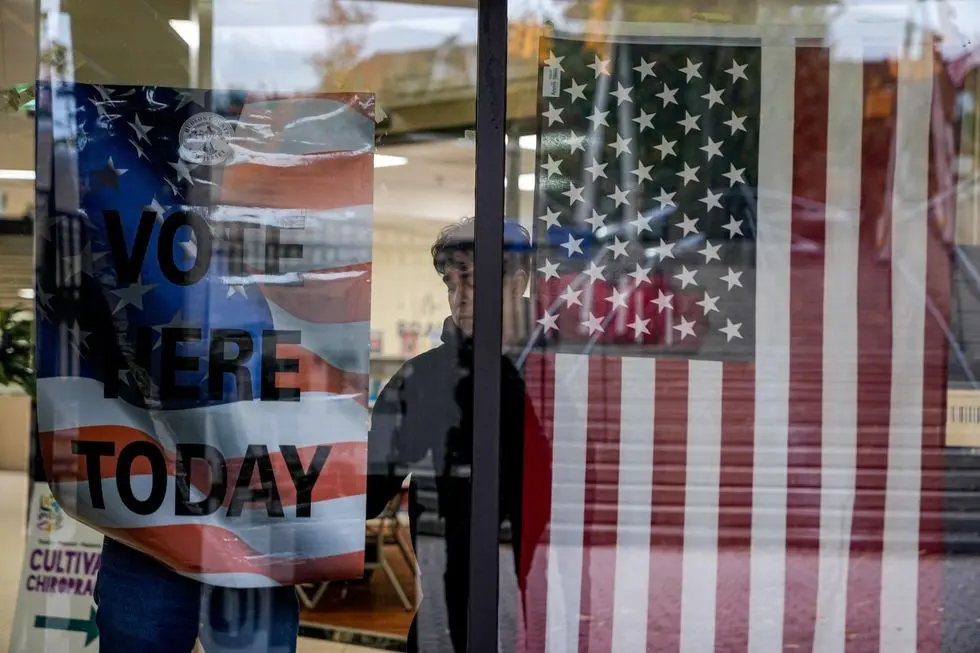
Voters across the United States cast their ballots on Tuesday in a critical midterm election. The race centers on two dominant concerns: the economic impact of the war and persistently high consumer prices. These issues have shaped voter sentiment and are expected to determine control of both chambers of Congress.
The Republican Party faces a challenging environment after a significant surge in support during the 2024 cycle. Survey data indicates that rising costs and war-related anxiety are pushing voters toward the Democratic Party. This shift threatens to flip the balance of power in Washington.
Economic pressure has become the primary motivator for many voters. Families report feeling the pinch of higher grocery and energy costs. The ongoing conflict abroad adds a layer of uncertainty that influences how voters evaluate each party’s economic stewardship.
Can Republicans Hold Their Ground?
Pollsters note that price sensitivity has intensified in recent months. This trend directly challenges the GOP’s ability to retain seats in competitive districts.
The question looms large for the GOP. With both chambers potentially slipping away, party strategists are closely monitoring early voting patterns. The outcome will shape legislative priorities for the next two years.
If Democrats secure both chambers, they gain the ability to pass legislation without presidential vetoes. This structural advantage could accelerate policy changes on economic relief and defense spending.
Frequently Asked Questions
Will Democrats take both chambers of Congress? Current polling suggests a high probability of Democratic control of both the House and the Senate. The margin of victory appears tied to economic dissatisfaction.
How do war and prices affect voter behavior? Voters are prioritizing cost-of-living concerns and security anxieties. These factors are overriding traditional party loyalty in many swing districts.
What happens if Democrats win both chambers? They would control the legislative agenda and could override vetoes. This would allow faster passage of bills on healthcare, infrastructure, and defense.