Diplomatic Friction Over Humanitarian Corridors
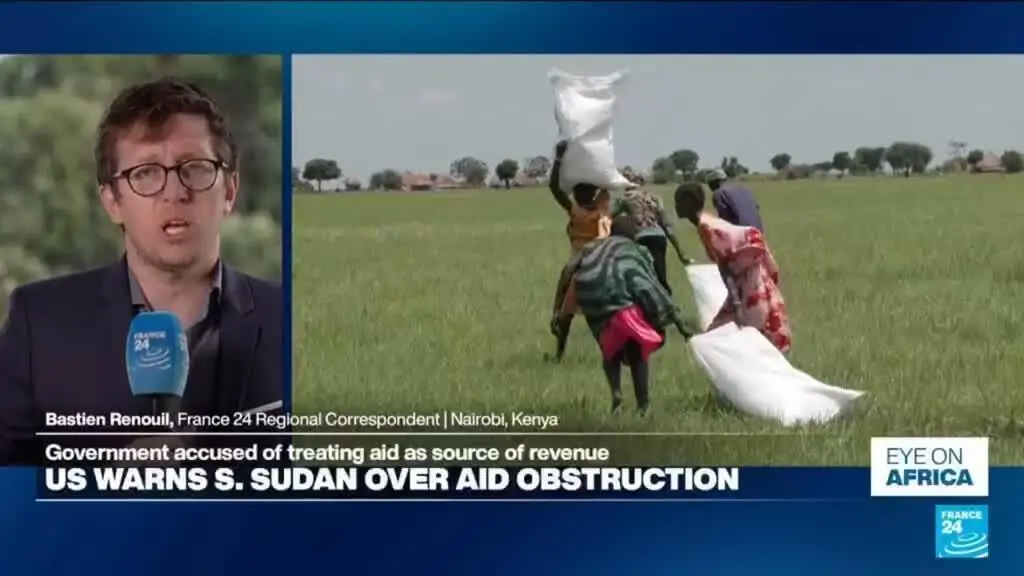
The United States has formally warned South Sudan that it will impose targeted sanctions if the government continues to obstruct humanitarian aid. This diplomatic pressure stems from recent reports indicating that state officials have hindered the delivery of critical supplies to conflict zones. The threat marks a significant escalation in tensions between the two nations regarding the handling of the ongoing crisis.
Juba faces increasing scrutiny from international partners who monitor the flow of resources into the region. The US State Department highlighted specific instances where aid convoys were delayed or turned back without clear justification. Officials argue that these delays directly impact vulnerable populations relying on food and medical support. The administration views the obstruction as a deliberate tactic to maintain control over relief efforts.
The core of the dispute involves the movement of trucks and personnel across internal borders. US diplomats noted that checkpoints often lack transparency, leading to unpredictable wait times for essential cargo. This bureaucratic friction creates bottlenecks that leave warehouses overflowing while communities remain underserved. The government in Juba has defended its actions by citing security concerns and the need for coordination. However, Western observers contend that the process has become overly complex and slow.
Aid organizations operating on the ground have raised alarms about the shrinking window for effective intervention. They report that fuel shortages and permit delays force them to ration supplies strictly. This situation exacerbates hunger levels in southern provinces where rainfall patterns have been erratic. The US argues that sanctions serve as a necessary lever to compel faster cooperation. By targeting specific officials or entities, Washington aims to bypass general political resistance.
Will Sanctions Change Ground Reality?
The proposed measures would likely freeze assets or restrict travel for key decision-makers involved in logistics. Such tools have proven effective in other regional conflicts where governments sought to limit external influence. Analysts suggest that South Sudan might respond by tightening its own import controls. This could create a feedback loop that further complicates the economic landscape. The ultimate goal remains ensuring that aid reaches intended recipients efficiently.
If the sanctions take effect, the diplomatic relationship between the two countries will face its most severe test in years. Juba may seek alternative partners to offset the economic strain caused by American restrictions. Meanwhile, humanitarian agencies will continue to lobby for clearer protocols and guaranteed transit rights. The coming months will determine whether this warning translates into concrete action or remains a rhetorical tool. The stakes are high for millions of people dependent on consistent supply chains. Frequently Asked Questions Why is the US threatening sanctions now? The US cites persistent delays and bureaucratic hurdles that prevent aid from reaching those in need. Recent incidents of blocked convoys triggered this formal diplomatic warning.
Who are the primary targets of potential sanctions? The measures would likely focus on specific officials responsible for logistics and border control. These individuals are believed to have direct authority over the obstruction of aid movements.