Unlikely Allies Emerge
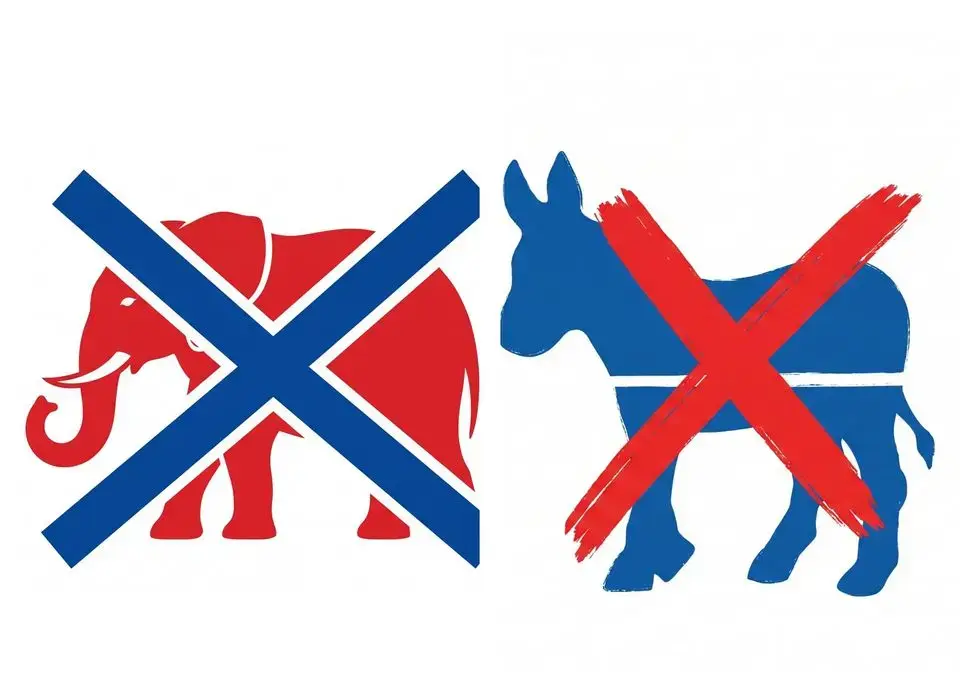
The institutions of both major US parties remain firmly committed to the country's foreign policy consensus, particularly when it comes to US-Israel relations. However, hardline ideological factions on the right and left are now willing to work together to challenge this consensus. This shift is evident in the recent announcement by a prominent conservative commentator that he is done with the Republican Party.
Tucker Carlson's departure from the Republican Party is a significant development in the ongoing struggle for influence within the party. Carlson's outspoken views on US foreign policy, particularly his criticism of the country's relationship with Israel, have made him a polarizing figure within the party. His decision to leave the party is a testament to the growing divisions within the Republican Party and the increasing willingness of hardline ideological factions to challenge the party's establishment.
Can the Consensus be Broken?
The emergence of unlikely alliances between hardline ideological factions on the right and left is a significant development in the struggle for influence within the US foreign policy establishment. These alliances are driven by a shared desire to challenge the country's foreign policy consensus, particularly when it comes to US-Israel relations. The growing influence of these alliances is a testament to the increasing polarization of US politics and the growing divisions within the country's major parties.
One of the key drivers of this shift is the growing frustration among conservatives and liberals with the country's foreign policy establishment. Many feel that the establishment is out of touch with the concerns of ordinary Americans and is more interested in advancing the interests of special interest groups than in serving the country's national interests. This frustration is driving a growing number of politicians and activists to challenge the establishment and push for a more radical overhaul of the country's foreign policy.
Frequently Asked Questions
As the hardline ideological factions on the right and left continue to gain influence, the question on everyone's mind is: can the foreign policy consensus be broken? The answer to this question is far from clear, but one thing is certain: the current consensus is facing unprecedented challenges. The growing divisions within the country's major parties and the increasing influence of hardline ideological factions make it more likely than ever that the consensus will be challenged.
The consequences of a broken consensus are far-reaching and potentially catastrophic. A breakdown in the country's foreign policy consensus could lead to a destabilization of the global order and a weakening of the country's national security. It could also lead to a growing sense of uncertainty and instability among ordinary Americans, who are already feeling the effects of a rapidly changing world.