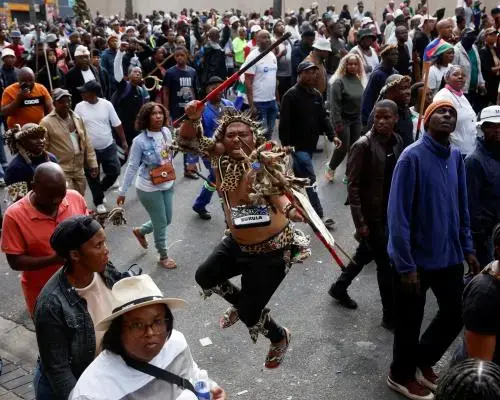
A Legacy of Unity Under Threat
Thirty years ago, Nelson Mandela expressed his sadness and anger at rising hatred towards foreigners in South Africa. He addressed an African National Congress rally, emphasizing the country's legacy of unity and solidarity. Xenophobic violence has erupted periodically since then.
The issue persists, with foreigners being blamed for unemployment, crime, and poor public services. However, this blame is misplaced. The reality is that migrants contribute to the economy and fill labor gaps. In 2008, anti-foreigner violence resulted in widespread destruction and loss of life.
Can Anti-Migrant Politics Ever Solve South Africa's Problems?
Mandela's words highlighted the contradiction between South Africa's values and the growing xenophobia. The country's history of fighting against apartheid and oppression should have fostered a culture of acceptance and inclusivity. Instead, many South Africans have come to view foreigners as a threat.
The anti-immigrant sentiment is often fueled by politicians seeking to capitalize on public discontent. By scapegoating foreigners, they distract from the real issues facing the country, such as poverty and inequality. This approach not only harms migrants but also undermines efforts to address the root causes of social problems.
Frequently Asked Questions
The answer is no. By focusing on foreigners as the source of problems, the government fails to address the underlying issues. Migrants are not the cause of unemployment or crime; they are often victims of these problems. The economy and public services will not improve by driving out foreigners.
The consequences of continued xenophobic violence and anti-migrant policies will be severe. South Africa risks losing its reputation as a champion of human rights and a beacon of hope for the continent. The country's economic prospects will also suffer as talent and investment are driven away.