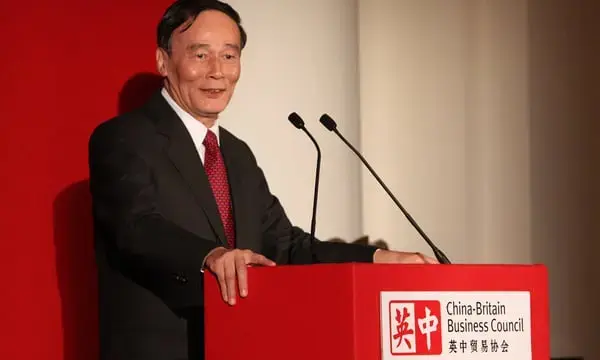
A Powerful Ally Turns Target
China's President Xi Jinping has launched a ruthless crackdown on corruption, targeting high-ranking officials beyond the military. The latest victim is Wang Qishan, a former member of the Politburo Standing Committee.
Xi's anti-corruption drive has been a hallmark of his presidency, with thousands of officials investigated and punished. Wang Qishan, once considered a potential successor to Xi, was a powerful figure in China's economic sphere.
Is Xi's Anti-Corruption Drive a Power Play?
Wang Qishan's downfall is significant, given his close ties to Xi. The two men have been allies since the 1990s, and Wang played a crucial role in Xi's anti-corruption campaign. However, Wang's influence and connections may have ultimately led to his downfall.
As economic czar, Wang Qishan wielded significant power, overseeing major financial reforms and state-owned enterprise restructuring. His removal suggests Xi is consolidating power and eliminating potential rivals.
Xi's purge has raised questions about his true motivations. While the anti-corruption campaign has been touted as a genuine effort to clean up China's politics, some see it as a means to eliminate opponents and consolidate power.
Frequently Asked Questions
The consequences of Xi's purge are far-reaching, with implications for China's economy and politics. As the campaign continues, it remains to be seen who will be next to fall.
What is the significance of Wang Qishan's removal? Wang's downfall signals Xi's continued consolidation of power and elimination of potential rivals. Is Xi's anti-corruption drive genuine? While some see it as a genuine effort, others believe it's a power play to eliminate opponents. What's next for Xi's purge? The campaign is expected to continue, with more high-ranking officials potentially targeted.