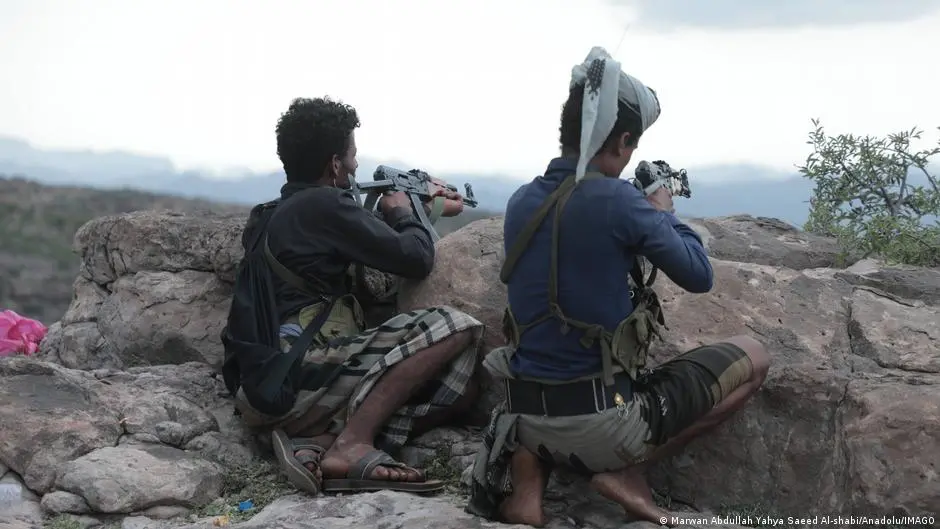
Mobilization Drive Aims to Bolster Government Forces
The head of Yemen’s Saudi‑backed governing council announced on September 25, 2026 that citizens should enlist in the government’s armed forces to confront the Iran‑aligned Houthi rebels. The appeal came as fighting intensified across the north‑south divide, with both sides reporting heavy casualties in recent weeks.
The council leader, speaking from the capital Sanaa, urged Yemenis to support the state’s military campaign after a series of Houthi missile strikes hit key infrastructure in Aden and Al‑Hudaydah. He said the escalation reflects a „new phase” in the civil war, driven by external backing for both parties. The call for a general mobilization follows weeks of diplomatic deadlock, as Saudi Arabia and Iran continue to supply weapons and advisors to their respective allies. Analysts warn that expanding the recruitment pool could deepen the conflict and strain Yemen’s already fragile economy.
The council head outlined a three‑step plan to raise a volunteer army of up to 50,000 fighters. First, local municipalities will set up recruitment centers offering modest pay and basic training. Second, the government promises to provide families of volunteers with food vouchers and temporary housing. Third, the council will grant citizenship benefits, such as priority access to education and healthcare, to those who serve for at least one year. „Our people must defend the nation’s sovereignty,” he declared, adding that the move is essential to counter the Houthis’ growing artillery capabilities.
Will the Call for Volunteers Escalate the Conflict?
Security officials estimate that government troops currently number around 120,000, while Houthi militias field roughly 80,000 fighters. The new recruitment drive could shift the balance, but critics argue it may also fuel sectarian tensions. Humanitarian groups have warned that a larger fighting force could displace more civilians, already numbering over four million, and exacerbate shortages of food and medicine.
The council’s announcement raises questions about the war’s trajectory. By opening the doors to civilian enlistment, the government risks turning the conflict into a broader societal struggle, potentially drawing in youths and older men who lack combat experience. International observers note that similar mobilization efforts in other proxy wars have led to prolonged stalemates and higher civilian casualties. Moreover, the Houthis have vowed to retaliate, promising „swift and decisive” strikes against any recruitment sites. The prospect of intensified urban combat in densely populated areas could further damage Yemen’s fragile infrastructure.
If the mobilization succeeds, the government may gain short‑term tactical advantages, yet the long‑term political solution remains elusive. Peace talks in Geneva have stalled, and both regional patrons—Saudi Arabia and Iran—continue to vie for influence. The council’s strategy appears aimed at forcing the Houthis to the negotiating table by increasing pressure on the battlefield, but the risk of a deeper humanitarian crisis looms large.
Frequently Asked Questions
What does „general mobilization” mean for ordinary Yemenis? It refers to a nationwide call for citizens to join the armed forces, with the government offering modest financial incentives and social benefits to volunteers.
How might the mobilization affect the humanitarian situation? An expanded military presence could lead to more fighting in civilian areas, worsening displacement, food insecurity, and strain on already limited medical services.
Is there any indication that the Houthis will respond militarily? Houthi leaders have publicly warned of „swift and decisive” retaliation against recruitment centers, suggesting they may intensify missile and drone attacks in response.