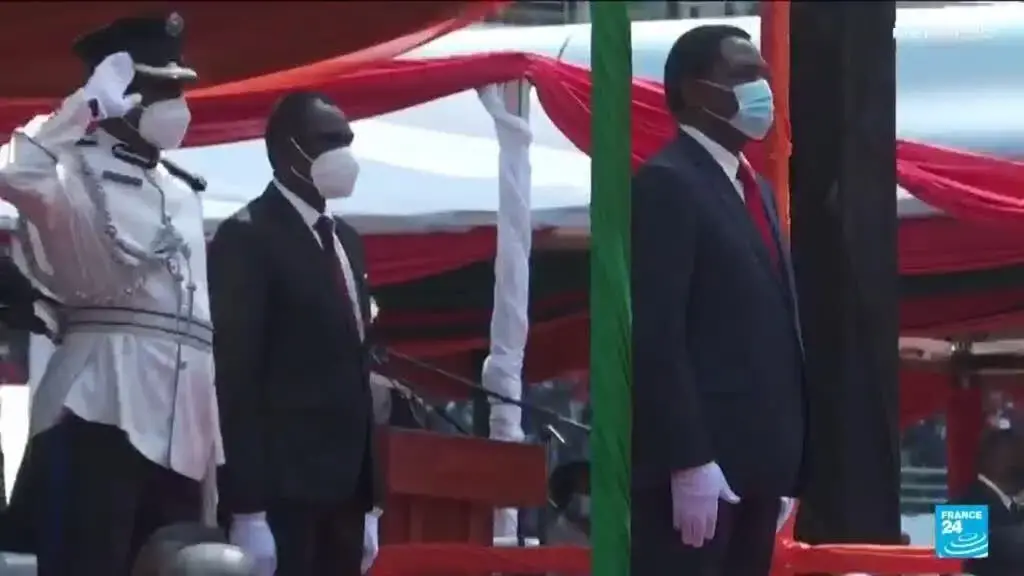
Economic Stakes for Hichilema’s Administration
On Thursday, Zambian citizens cast ballots in a tightly contested election that centers on the nation’s struggling economy. Voters gathered at polling stations across the country, hoping to decide whether President Hakainde Hichilema will retain power amid rising inflation, currency pressure, and mounting public debt.
The election arrives after a year of sharp economic decline. Inflation has hovered above 30 percent, while the kwacha has lost significant value against major currencies. Hichilema’s administration has pledged reforms, including debt restructuring talks with international lenders and a crackdown on corruption. Yet many Zambians remain skeptical, fearing that promised measures have not translated into tangible relief for households facing higher food prices and dwindling job prospects.
Hichilema’s government inherited a fragile fiscal situation, with external debt exceeding 70 percent of GDP. In response, officials launched negotiations with the International Monetary Fund to secure a new financing package. The president also announced a series of tax incentives aimed at reviving the mining sector, a traditional engine of growth. Critics argue that these steps are too slow, pointing to recent protests over fuel shortages and power outages. „We need immediate action, not just talks,” said a market vendor in Lusaka, reflecting a broader sentiment of impatience.
Will Voters Reward the President’s Economic Policies?
International observers note that Zambia’s credit rating has slipped, raising borrowing costs and limiting the government’s ability to fund social programs. The upcoming parliamentary composition will determine whether Hichilema can push through his reform agenda or face a fragmented legislature that could stall policy implementation.
The question on many voters’ minds is whether the electorate will endorse Hichilema’s approach or demand a change in leadership. Early exit polls suggest a tight race, with opposition candidates capitalizing on public frustration over rising living costs. Some analysts predict that urban areas, where economic hardship is most visible, could swing against the incumbent, while rural regions may still support him due to longstanding loyalty.
If Hichilema secures a second term, his administration will likely intensify negotiations with creditors and accelerate infrastructure projects to stimulate employment. Conversely, a loss could usher in a new government prioritizing different economic strategies, potentially reshaping Zambia’s relationship with international lenders.
The election’s outcome will shape Zambia’s short‑term recovery trajectory and influence investor confidence across the region. Stakeholders will watch closely for signs of policy continuity or shift, as the nation seeks stability amid persistent fiscal challenges.
Frequently Asked Questions
What are the main economic challenges facing Zambia now? Inflation above 30 %, a depreciating kwacha, high external debt, and frequent shortages of fuel and electricity strain households and businesses.
How has President Hichilema responded to the crisis? He has pursued debt restructuring talks, sought IMF support, introduced tax incentives for mining, and promised anti‑corruption measures, though implementation remains uneven.
What could change if the opposition wins the election? A new administration may adopt alternative fiscal policies, renegotiate debt terms differently, and potentially shift focus toward agricultural development and social spending.