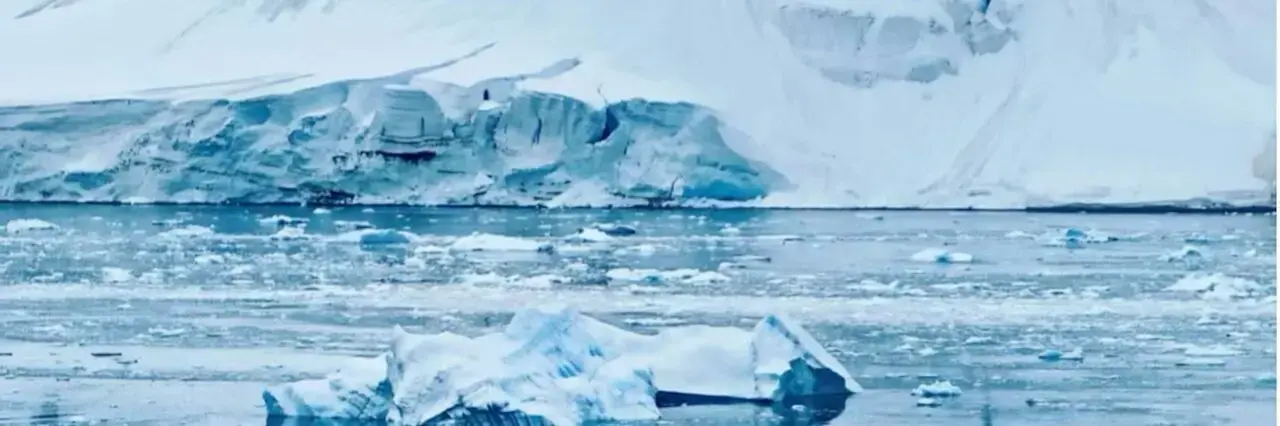
Why Snowfall Cannot Offset Antarctica's Melting Ice
New research confirms that West Antarctica's ice sheet is losing mass at an accelerating rate, with recent snowfall increases unable to offset the melt. The findings, published this week, indicate that sea levels will continue rising for centuries regardless of future emissions cuts.
Scientists analyzed satellite data spanning two decades, revealing that Antarctica shed approximately 150 billion tons of ice annually between 2003 and 2020. While warmer air holds more moisture—leading to heavier snowfall in some regions—the extra accumulation only offsets about one-third of the ice lost through melting and glacier flow into the ocean.
The imbalance stems from fundamental physics. Ice discharge occurs primarily along the floating edges of glaciers, where warming ocean waters erode the undersides of ice shelves. These shelves act as plugs, holding back inland ice. Once they weaken or collapse, land ice accelerates toward the sea. Snowfall, even if it increases, cannot reverse this dynamic because it falls inland and must travel long distances to reach the coast—a journey that takes centuries.
Lead author Dr. Yucheng Lin explained that the ice sheet's response is locked indue to its immense size and slow circulation. The system has a long memory,he noted. Even if we stabilize temperatures, the ice will keep adjusting for hundreds of years. How Much Sea Level Rise Is Already Locked In?
Consequences and Outlook
Current projections estimate that Antarctica alone could contribute between 10 and 30 centimeters to global sea level rise by 2100, depending on emissions scenarios. However, the study emphasizes that long-term commitments extend far beyond this timeframe. Over the next several centuries, continued melting could add significantly more, threatening coastal infrastructure worldwide.
Regions most vulnerable include Bangladesh, the Netherlands, and parts of Florida and Miami. These areas face not just gradual inundation but also increased flooding during storms, as higher seas amplify surge impacts.
The irreversible nature of Antarctica's ice loss underscores the urgency of limiting global temperature rise. While adaptation measures such as seawalls and managed retreat can reduce immediate risks, they offer no permanent solution against multi-meter rise over geological timescales.
Frequently Asked Questions
Scientists stress that reducing greenhouse gas emissions remains critical—not only to slow near-term sea level rise but also to prevent triggering additional tipping points in Greenland and other ice-covered regions. The window for meaningful action is narrowing, but its effects will be felt for millennia.
Can increased snowfall in Antarctica slow sea level rise? No. While snowfall has increased due to a warmer atmosphere, it only partially offsets ice loss. Most melting occurs at glacier fronts where warm ocean water undermines ice shelves, a process unaffected by inland snowfall.
Which regions are most at risk from Antarctic ice melt? Low-lying coastal zones including southern Florida, the Mekong Delta, and Pacific island nations face the greatest threats. These areas experience both steady sea level rise and intensified storm surge flooding.
Is there any way to stop Antarctica's ice loss? Not entirely. The ice sheet's response is delayed by centuries due to its size and flow dynamics. However, rapid emissions reductions can still limit the total volume of ice lost and reduce long-term sea level rise.