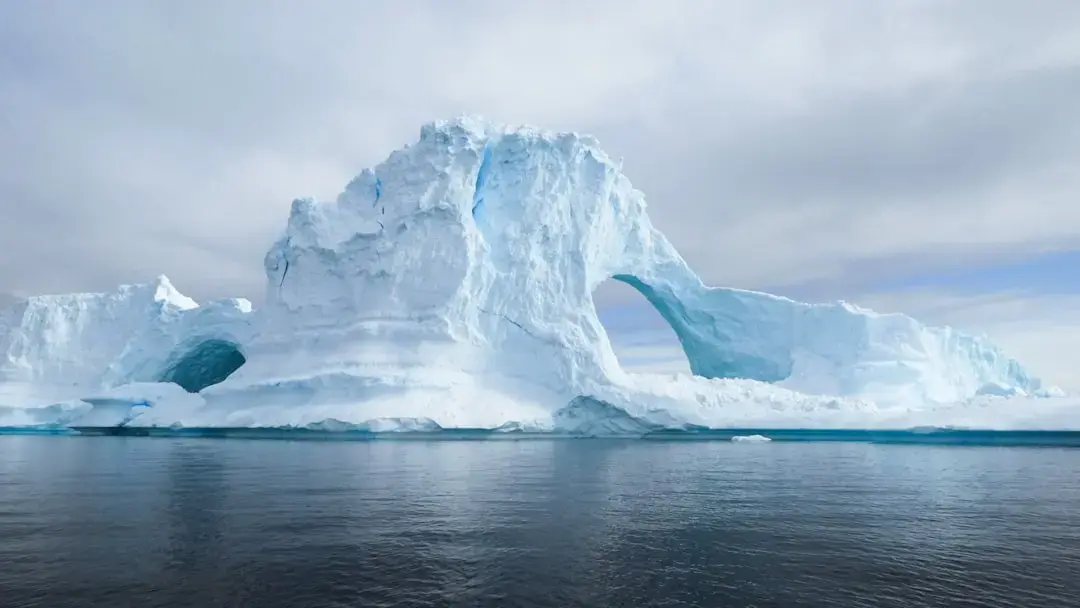
A Toxic Legacy Hidden in Frozen Layers
New research reveals that Antarctica is leaking significant amounts of mercury into the surrounding Southern Ocean as its ice sheets melt. While the continent was once thought to be a pristine wilderness, centuries of industrial pollution have accumulated within its frozen layers. Scientists now warn that this toxic legacy is entering the marine food chain.
Mercury enters the environment through both natural volcanic activity and human industrial processes. Over the past two centuries, these particles have traveled through the atmosphere, eventually settling onto the Antarctic ice. As global temperatures rise and the ice retreats, these stored contaminants are being flushed directly into the frigid waters below.
The process of mercury accumulation is complex. Once the metal settles on the ice, it becomes trapped within the structure of the glaciers. For decades, the ice acted as a secure vault for these pollutants. However, the current rate of melting has turned this storage system into a source of ongoing environmental contamination.
Could This Contamination Disrupt Global Marine Health?
Researchers are particularly concerned about the chemical transformation of this mercury. Once it enters the ocean, it can be converted into methylmercury. This highly toxic form of the metal accumulates in the tissues of fish, seals, and whales. As it moves up the food chain, the concentration of mercury increases, posing risks to both marine wildlife and the predators that rely on them.
The Southern Ocean supports a vast array of unique species that are sensitive to chemical changes. If mercury levels continue to rise, the health of these ecosystems could face long-term degradation. Scientists are currently working to quantify the exact volume of mercury being released to understand the full scope of the threat.
Frequently Asked Questions
The outlook remains uncertain as climate change accelerates the melting of major ice shelves. Unless global efforts to curb industrial emissions succeed, Antarctica may continue to act as a secondary source of pollution. Protecting these remote waters requires a deeper understanding of how historical emissions continue to haunt the modern climate.
How does mercury get into the Antarctic ice? Mercury is released into the atmosphere by industrial activities and volcanoes. These particles are transported by global wind patterns and eventually settle onto the Antarctic ice through snowfall.
Why is the release of this mercury dangerous? When mercury enters the ocean, it can transform into methylmercury. This substance accumulates in marine animals, reaching higher concentrations in predators and potentially harming the entire food web.