Mission Objectives and Instrument Suite
The preliminary lunar science report from NASA’s Artemis II mission has been released, summarizing data collected during the crew’s journey around the Moon’s far side. The report, issued on April 1 2026, marks the first official scientific assessment of the mission’s objectives and observations.
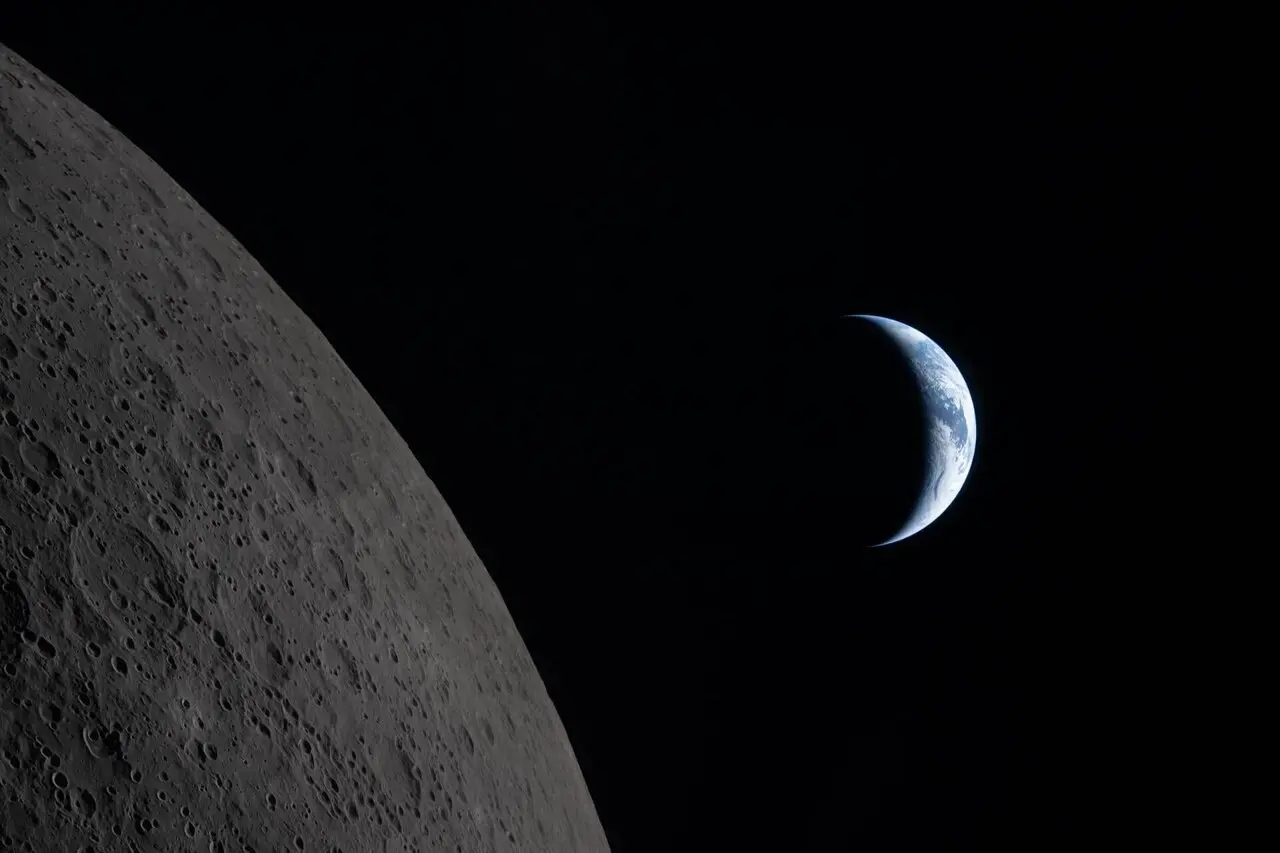
Artemis II, the second crewed flight of NASA’s Artemis program, launched on April 1 2026 aboard a Space Launch System rocket from Kennedy Space Center. The six‑man crew orbited the Moon, passing behind its far side on April 6, before returning to Earth on April 10. The mission’s primary goal was to test systems and conduct a suite of lunar surface and space environment experiments.
The report details the array of instruments deployed on the Orion spacecraft and its lunar orbit module. These included a high‑resolution camera, a spectrometer for analyzing surface regolith, a radiation dosimeter, and a magnetometer to map lunar magnetic fields. Engineers designed the suite to assess radiation exposure for future crews and to characterize the Moon’s regolith composition, which is critical for in‑situ resource utilization.
Crew Experiences and Operational Lessons
According to the report, the spectrometer detected higher concentrations of titanium in the mare regions than previously recorded, suggesting a more complex volcanic history. The radiation dosimeter recorded an average dose of 0.75 mSv per day, within acceptable limits for short‑duration missions but highlighting the need for improved shielding on longer stays. The magnetometer revealed localized magnetic anomalies that could inform future habitat placement.
Crew commander Laura Mitchell noted that the mission’s trajectory offered a unique „behind‑the‑moon” view, allowing the team to test communications protocols in a challenging geometry. „We had to rely on relay satellites to maintain contact during the far‑side pass,” she said. The report emphasizes that the mission successfully validated the Orion’s life‑support systems, including the CO₂ scrubber and water recycling units, under extended lunar‑orbit conditions.
The report also highlights several operational lessons. One was the importance of real‑time data downlink, which enabled ground teams to adjust instrument parameters mid‑flight. Another was the need for more robust thermal control on the lunar surface instruments, as heat‑related anomalies were observed during the first two days of orbit.
What These Findings Mean for Future Artemis Missions
The preliminary data provide a baseline for the next crewed flight, Artemis III, which aims to land a lunar south‑pole habitat by 2028. The higher titanium levels suggest that future missions may target different landing sites to maximize resource availability. The radiation measurements confirm that current shielding is adequate for short stays but will require upgrades for prolonged surface operations.
NASA officials plan to refine mission planning based on these insights, including adjustments to the launch window and trajectory to optimize communication coverage. The data also support the development of in‑situ resource extraction technologies, as the regolith composition will guide the selection of mining equipment.
Frequently Asked Questions
What is the main scientific achievement of Artemis II? The mission confirmed the viability of Orion’s life‑support systems in lunar orbit and provided the first detailed measurements of lunar regolith composition and radiation exposure during a near‑circumlunar trajectory.
How does the radiation data impact future crewed missions? The recorded dose of 0.75 mSv per day is within safe limits for short trips but indicates that longer stays will need enhanced shielding to protect astronauts from cumulative exposure.
Will the findings change the landing site for Artemis III? The higher titanium concentrations detected in mare regions could influence site selection, but the final decision will also consider other factors such as terrain stability and resource distribution.