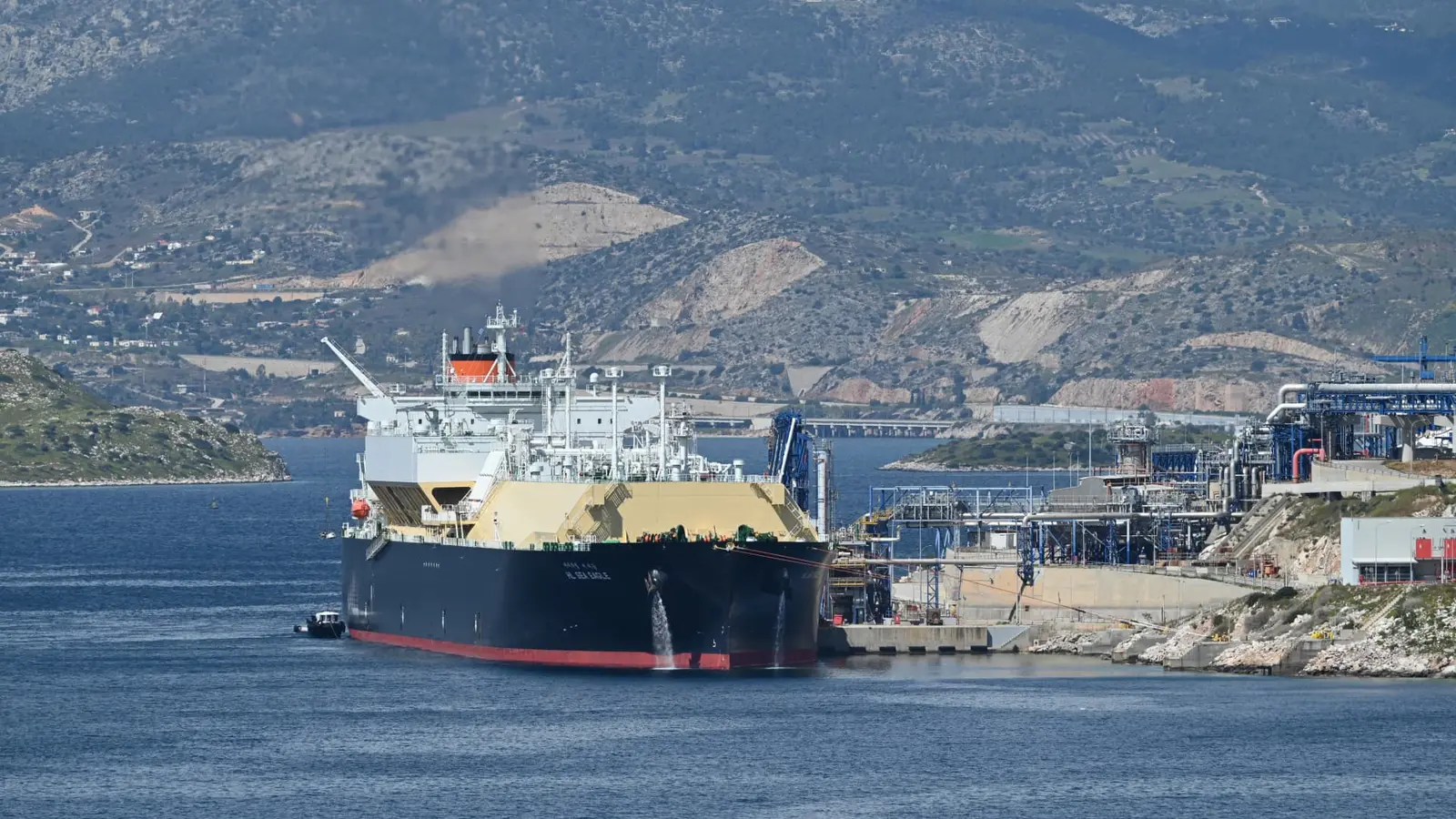
Rising Hormuz Flows: A Brief Window of Relief
A surge in oil flows through the Strait of Hormuz and a landmark find by BP in the Gulf of Mexico are reshaping the energy landscape. Europe’s winter demand for gas has already reached record highs, and the easing of supply constraints could lift prices and benefit U. S. energy shares.
Europe’s energy markets are tightening as the cold season approaches. Demand for natural gas and heating fuels climbs sharply, while Russia’s reduced gas exports and maintenance outages leave many European countries scrambling for alternatives. In this environment, even modest increases in global oil supply can influence pricing and market sentiment.
Hormuz flows are rising. The Strait of Hormuz, a critical chokepoint for Middle Eastern oil, has seen a steady uptick in throughput. Analysts attribute the increase to a combination of reduced geopolitical tensions and a shift in shipping routes. This uptick may provide temporary relief to the oil market, supporting higher prices and boosting the earnings of U. S. energy companies that export crude.
BP’s Gulf Discovery: A Game Changer for U. S. Energy Stocks
BP’s largest oil discovery in 25 years – the East Maccas field – was announced last year in the Gulf of Mexico. The field is estimated to hold over 1.5 billion barrels of recoverable oil. If production ramps up, BP could see a significant lift in revenue, making its stock an attractive pick for investors seeking exposure to U. S. upstream activity.
The increase in oil throughput through Hormuz is not a permanent change but a short‑term easing of a long‑standing bottleneck. Shipping companies have shifted to alternative routes, and some Iranian oil output has returned to the market. This shift has tightened the global supply curve, nudging prices upward. For U. S. companies that export crude, even a modest price rise translates to higher margins. Investors watching the market may shift capital into firms with strong export profiles, such as Exxon Mobil and Chevron.
BP’s East Maccas field could alter the U. S. upstream landscape. The field’s size rivals the largest U. S. discoveries of the past decade. If BP brings production online by 2026, the company could add 100,000 barrels per day to its output, boosting cash flow and dividends. This development may also encourage other U. S. firms to invest in Gulf of Mexico projects, creating a ripple effect across the sector. As a result, stocks like ConocoPhillips and Pioneer Natural Resources could also see gains.
What Does This Mean for Investors?
The timing of the discovery is critical. With Europe’s winter energy demand peaking, a rise in U. S. production can help balance the global supply‑demand equation. Higher oil prices may also offset the cost of European gas imports, easing the overall energy burden for European consumers.
The combination of rising Hormuz flows and BP’s Gulf field presents a window of opportunity for U. S. energy stocks. Investors may find value in companies with strong export capabilities and those positioned to capitalize on new Gulf discoveries. However, market volatility remains, and geopolitical shifts can quickly alter supply dynamics.
Frequently Asked Questions
In the coming months, watch for production milestones at East Maccas and any changes in shipping patterns through Hormuz. These factors will shape the trajectory of oil prices and, by extension, the performance of U. S. energy equities.
Q: When is BP expected to start production at the East Maccas field? A: BP aims to bring production online by 2026, pending regulatory approvals and infrastructure development.
Q: Which U. S. stocks are likely to benefit from these developments? A: Companies with strong export profiles, such as Exxon Mobil and Chevron, and those involved in Gulf of Mexico exploration, like ConocoPhillips, may see positive impacts.