Uncovering the Brain's Aggression Triggers
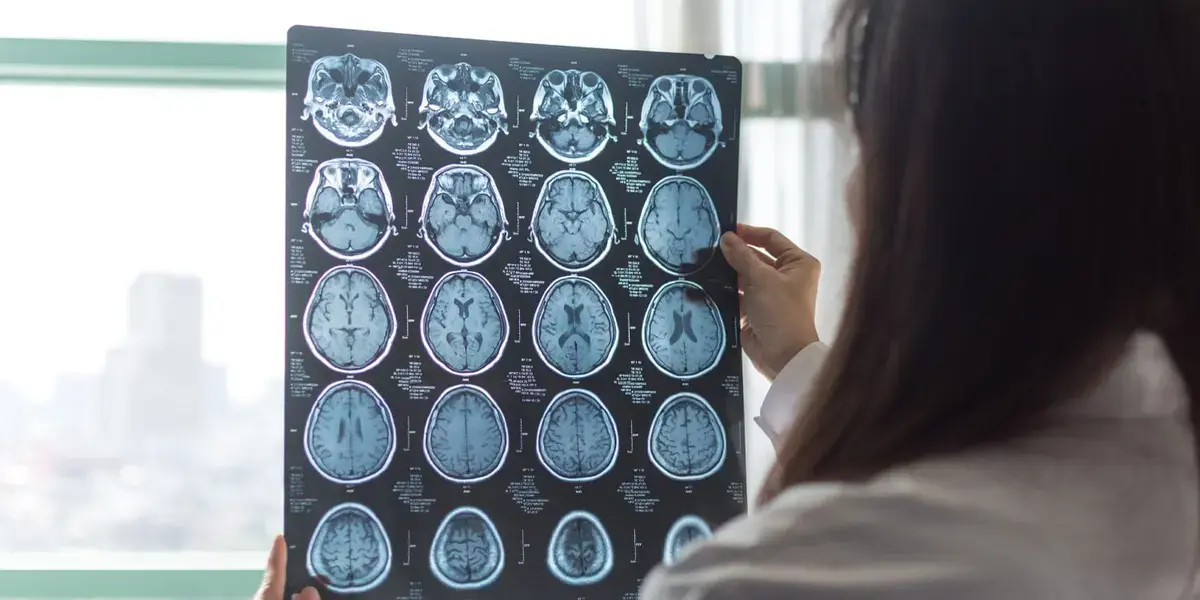
Researchers have long struggled to understand why some people with schizophrenia are more prone to aggressive behavior. A massive brain scan analysis has now shed new light on this issue. The study involved thousands of brain scans from individuals with schizophrenia.
The analysis revealed that reduced gray matter volume and compromised white matter integrity are associated with increased aggression in people with schizophrenia. Schizophrenia is a complex mental disorder that affects millions worldwide, and understanding its link to aggression is crucial for developing effective treatment strategies.
Can Brain Scans Predict Aggressive Behavior?
The study's findings suggest that specific brain tissue reductions may contribute to the development of aggressive behavior in individuals with schizophrenia. By examining brain scans from a large sample size, researchers were able to identify patterns that were not apparent in smaller studies. The data showed a clear correlation between reduced brain volume and increased aggression.
The researchers used advanced imaging techniques to analyze the brain scans, allowing them to pinpoint specific areas of the brain affected by schizophrenia. The results indicate that the relationship between brain tissue and aggression is complex, involving multiple brain regions.
The study's results have significant implications for the diagnosis and treatment of schizophrenia. By identifying specific brain characteristics associated with aggression, clinicians may be able to develop more targeted interventions. This could lead to improved patient outcomes and reduced risk of violent behavior.
Frequently Asked Questions
The findings of this study mark an important step forward in understanding the complex relationship between schizophrenia and aggression. As researchers continue to analyze the data, they may uncover new insights that inform the development of more effective treatments.
What did the study find about brain volume and aggression? The study found that reduced gray matter volume is associated with increased aggression in people with schizophrenia. This suggests a link between brain tissue and aggressive behavior. Can brain scans predict aggressive behavior in individuals with schizophrenia? While the study's findings are promising, more research is needed to determine whether brain scans can reliably predict aggression. The results are a crucial step towards developing more accurate predictive models. How might the study's findings influence treatment strategies? The study's results could lead to the development of more targeted interventions, potentially improving patient outcomes and reducing the risk of violent behavior.