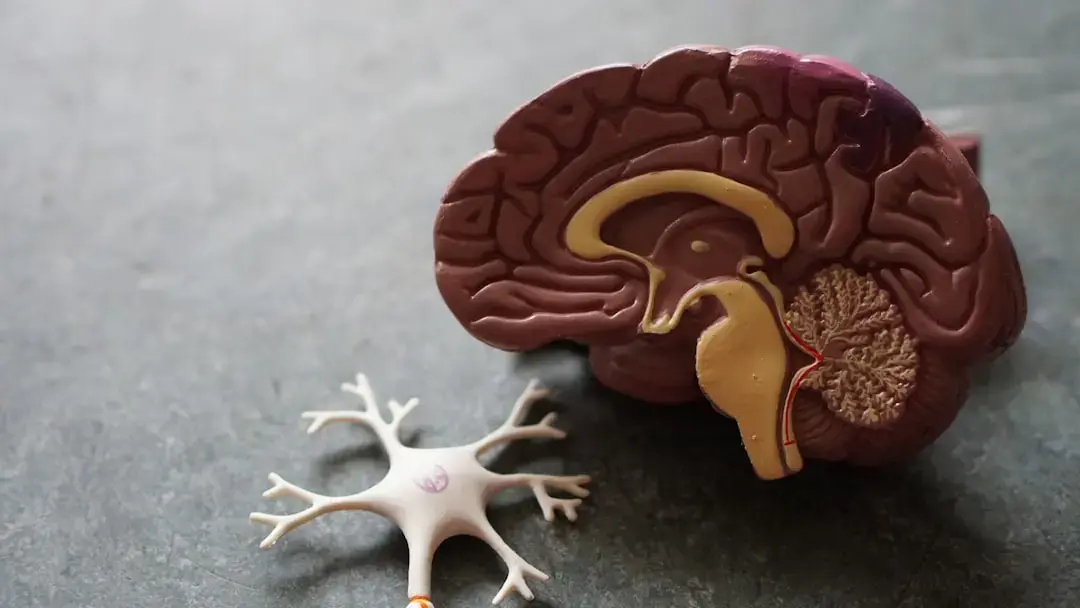
This creates a vicious cycle where heightened brain activity fuels tumor growth
A recent study published in August 2026 reveals that a lethal form of brain cancer manipulates the brain's own electrical activity to sustain its rapid expansion. Researchers found that tumor cells tap into neuronal signaling pathways, using them as a fuel source for growth. The work, led by a multinational team, examined human brain cancer stem cells using scanning electron microscopy. They observed that aggressive glioma cells express receptors that respond to neurotransmitters, triggering intracellular cascades that promote proliferation. Blocking these receptors in laboratory models slowed tumor progression, suggesting a new therapeutic angle. How Tumor Cells Exploit Brain Signals The study shows that glioma cells hijack normal synaptic communication by overexpressing glutamate and GABA receptors. When neurons fire, these receptors activate downstream pathways such as MAPK and PI3K/Akt, which drive cell division and survival.
This creates a vicious cycle where heightened brain activity fuels tumor growth, and the tumor in turn alters neuronal networks to maintain its advantage. Could Silencing Neural Communication Starve the Tumor? In preclinical models, pharmacological inhibition of the identified receptors reduced tumor volume by up to 40 percent over two weeks. Genetic knockdown of the same receptors produced similar effects, indicating that the dependency on neuronal signals is not merely incidental. These findings raise the possibility that modulating brain activity—perhaps through targeted drugs or neuromodulation—could become part of a combined treatment strategy. The implications extend beyond glioma, suggesting that other brain malignancies might also exploit neuronal activity. Future work will focus on identifying which neurotransmitter systems are most critical across tumor types and determining safe therapeutic windows for intervention.
If successful, such approaches could improve outcomes for patients facing limited options today. Frequently Asked Questions What type of brain cancer was studied? The research focused on high-grade glioma, particularly glioblastoma stem cells, which are known for their resistance to conventional therapies. How did researchers link tumor growth to brain activity? They measured receptor expression on cancer cells, monitored signaling pathway activation after neurotransmitter exposure, and observed reduced proliferation when those pathways were blocked. Is targeting neuronal signaling safe for patients? Early experiments show that temporary inhibition does not impair normal mouse cognition, but extensive safety studies will be required before human trials can be considered.