Decoding Cellular Signals
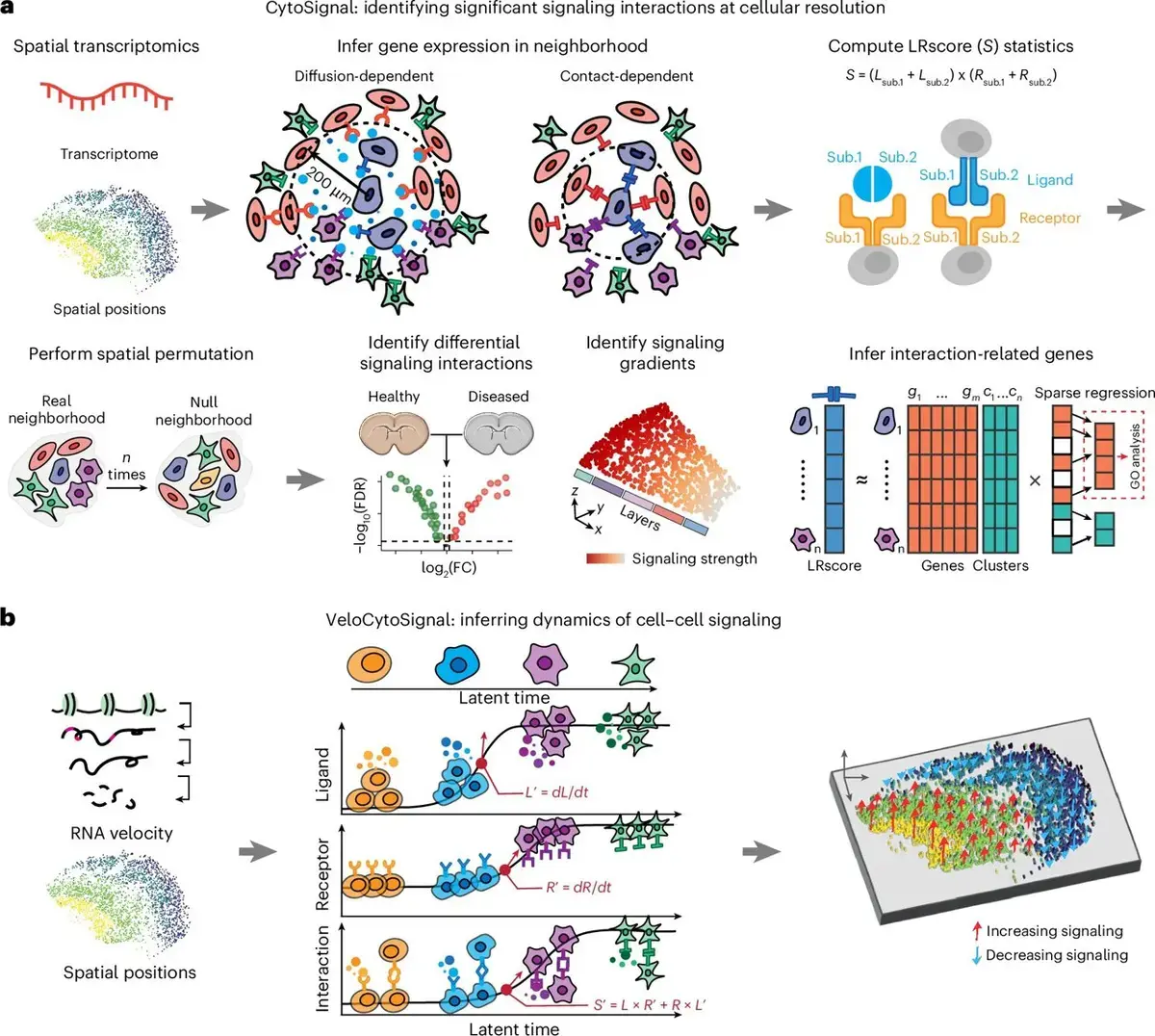
Cells communicate with each other, exchanging signals across space and time, much like humans do through various means. Researchers have now developed a way to visualize these interactions. This breakthrough allows scientists to better understand cellular behavior.
Cells use various methods to convey information, including direct contact and sending signals. Understanding these interactions is crucial for grasping how tissues function and respond to changes. The new algorithm enables researchers to map these cellular conversations.
The algorithm works by tracing the signals cells send to each other, much like tracing phone calls or text messages. This allows scientists to see how cells coordinate their actions over time and across different parts of a tissue. By analyzing these interactions, researchers can gain insights into how cells work together.
Can We Crack the Code of Cellular Communication?
Researchers are excited about the potential of this technology to reveal new aspects of cellular biology. It could help explain how cells respond to injuries or diseases. The ability to visualize cellular interactions could lead to a deeper understanding of tissue development and function.
As scientists continue to refine the algorithm, they are likely to uncover more about the complex conversations cells have with each other. This could have significant implications for fields such as regenerative medicine and cancer research.
Understanding cellular communication could lead to new approaches in treating diseases. By deciphering how cells interact, scientists may be able to develop more effective therapies.
Frequently Asked Questions
What is the main purpose of the new algorithm? The algorithm is designed to visualize how cells communicate with each other across tissues and over time.
How do cells communicate with each other? Cells communicate through direct contact and by sending signals across space.
What are the potential applications of this technology? It could lead to new insights into tissue development, disease response, and potentially more effective treatments for various conditions.