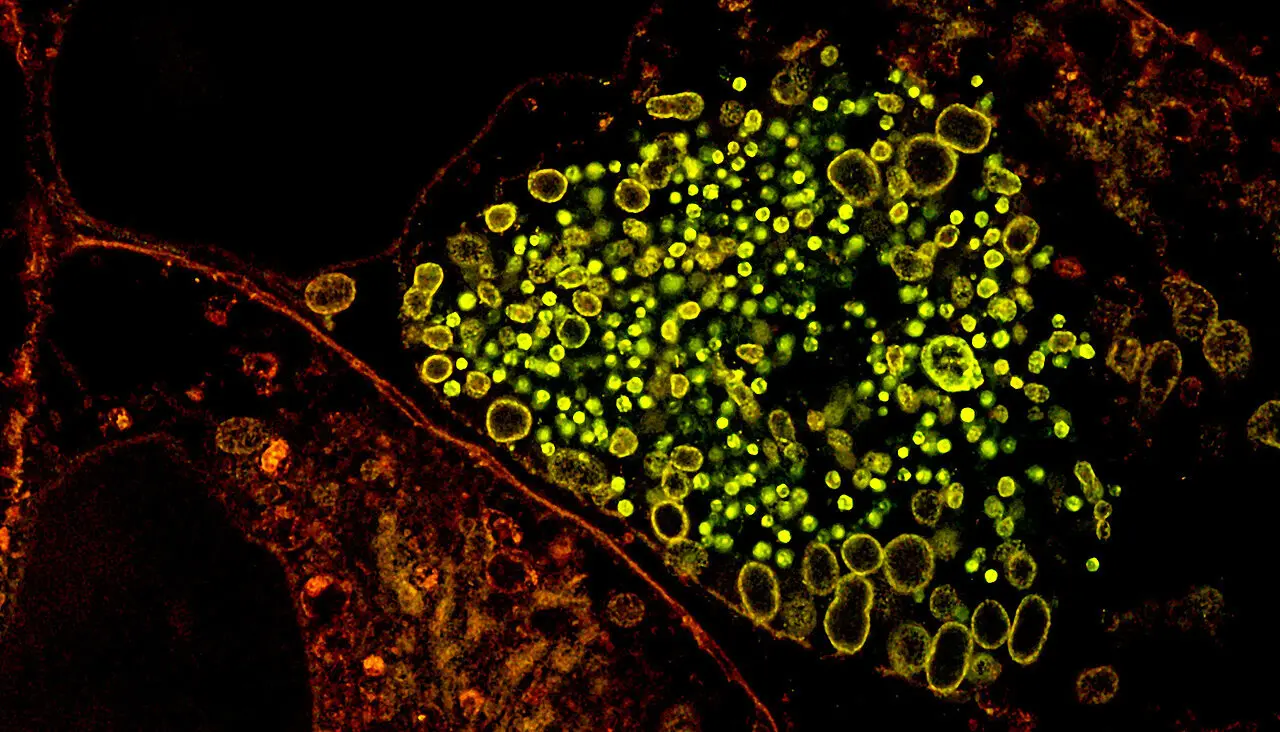
Lipid Barriers Hide Bacterial Genomes
Researchers at the University of Würzburg have identified a novel mechanism used by Chlamydia trachomatis to survive inside human cells. This bacterium, a leading cause of sexually transmitted infections, wraps its genetic material in lipid layers. These protective coatings shield the DNA from the host immune system. The discovery offers a new potential target for developing treatments that block infection before it spreads.
The study focused on how the pathogen hides its genome within a specialized compartment called an inclusion. Normally, bacterial DNA triggers strong immune responses in host cells. However, Chlamydia avoids this detection by modifying its internal structure. Scientists observed that the bacterium incorporates sphingomyelin derivatives into its membrane. This lipid layer acts as a physical barrier, preventing host sensors from recognizing the foreign genetic code.
The research team utilized advanced imaging techniques to visualize these molecular interactions. They tracked the distribution of specific lipid molecules within the infected cells. The results showed that these lipids are not randomly scattered but form organized structures around the DNA. This arrangement suggests a deliberate evolutionary strategy for survival. By masking its genetic material, the bacterium can replicate safely without triggering immediate destruction by the host’s defense systems.
Can Targeting Lipids Stop Infection?
Understanding this process provides critical insight into the life cycle of Chlamydia. The organism must balance growth with stealth. If the lipid coating fails, the host cell detects the intrusion and initiates apoptosis or other killing mechanisms. Therefore, the integrity of this lipid barrier is essential for the pathogen’s success. Researchers believe that disrupting this specific packaging process could weaken the bacterium significantly.
Current treatments for Chlamydia rely primarily on antibiotics like doxycycline or azithromycin. While effective, these drugs treat existing infections rather than preventing entry. The new findings suggest an alternative approach. If scientists can identify compounds that interfere with lipid packaging, they might create prophylactic therapies. Such treatments could stop the bacteria from establishing a foothold in the first place. This shift from cure to prevention could reduce transmission rates dramatically.
The team emphasized that this mechanism is specific to Chlamydia trachomatis. Other bacteria do not use this exact method to hide their DNA. This specificity makes it an attractive target for drug development. It minimizes the risk of side effects because the intervention targets a unique feature of the pathogen. Clinical trials will be necessary to confirm whether blocking this pathway is feasible in human patients.
Frequently Asked Questions
The implications for public health are significant. Chlamydia remains highly prevalent worldwide, often causing long-term complications if left untreated. A new class of drugs based on this mechanism could offer better protection. It may also help address rising concerns about antibiotic resistance. By attacking a structural vulnerability rather than metabolic processes, researchers hope to find a durable solution. Future studies will focus on identifying small molecules that can disrupt the lipid-DNA interaction efficiently.
How does Chlamydia protect its DNA? The bacterium wraps its genetic material in a layer of sphingomyelin lipids. This coating prevents host immune sensors from detecting the foreign DNA.
Why is this discovery important for treatment? It reveals a new way to block infection before it fully establishes. Targeting the lipid barrier could lead to preventive drugs that work differently from standard antibiotics.