Antibiotic Resistance on the Rise
The climate crisis is driving a global surge in antibiotic resistance, posing a significant threat to human health worldwide. Experts warn of a growing problem. Antibiotic resistance is a major concern. It affects people of all ages.
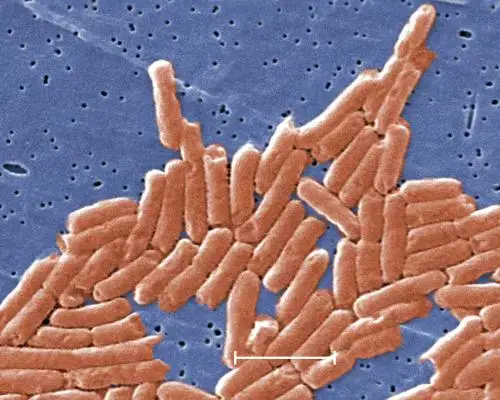
Antibiotic resistance is one of the fastest-growing threats to global health, killing many people already. The climate crisis is linked to a 10% increase in antibiotic-resistant genes, with salmonella genes showing a significant rise. Experts say this is a worrying trend.
As the climate crisis worsens, the spread of antibiotic-resistant bacteria is accelerating. This is a serious concern for global health. The increase in antibiotic-resistant genes is a key indicator of this problem.
Can We Stem the Tide of Resistance?
Experts are sounding the alarm on the growing threat of antibiotic resistance. The link between climate change and antibiotic resistance is becoming increasingly clear. As the planet warms, the risk of antibiotic resistance grows.
The consequences of inaction will be severe. Antibiotic resistance will continue to rise, putting more lives at risk. The world must take action to mitigate the effects of the climate crisis and address the growing threat of antibiotic resistance.
Frequently Asked Questions
What is driving the rise in antibiotic resistance? The climate crisis is driving the increase in antibiotic-resistant genes, with rising temperatures and changing weather patterns contributing to the spread of resistant bacteria.
How does antibiotic resistance affect global health? Antibiotic resistance is a major threat to global health, killing many people already and putting others at risk of infection.
What can be done to address antibiotic resistance? Experts say that addressing the climate crisis is crucial to mitigating the rise in antibiotic resistance, and that urgent action is needed to protect global health.