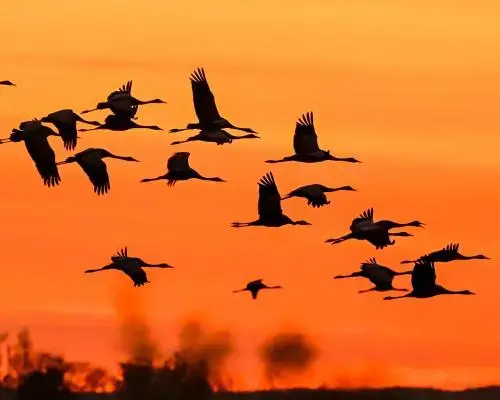
Disruptions to Ancient Aerial Highways
As autumn approaches, the annual migration of birds across the African-Eurasian flyway is already in motion. While summer warmth lingers, species like cuckoos and swifts have already departed. Arctic-breeding waders are currently gathering at coastal marshes to refuel, but scientists warn that these vital journeys face unprecedented threats from a rapidly changing climate.
The African-Eurasian flyway serves as a critical corridor for millions of birds traveling between breeding grounds and wintering sites. This massive biological network is under immense pressure as global temperatures rise. Habitat loss and shifting weather patterns are disrupting the delicate timing required for these long-distance travelers to survive their arduous flights.
Migratory birds rely on precise environmental cues to begin their journeys. When spring arrives earlier or autumn weather patterns become erratic, birds often arrive at stopover sites when food sources are unavailable. This mismatch between arrival times and peak resource availability can lead to starvation and reduced breeding success.
Can Migratory Species Adapt to Rapid Warming?
Coastal marshes and wetlands, which serve as essential refueling stations, are also disappearing. Rising sea levels and human development have squeezed these habitats, leaving birds with fewer places to rest. Without these critical energy stops, many species struggle to complete the final legs of their thousands-mile migrations.
The speed of current climate change is outpacing the evolutionary ability of many bird species to adapt. While some populations have shown resilience, the overall trend indicates a sharp decline in numbers across multiple groups. Conservationists emphasize that protecting interconnected ecosystems across continents is the only way to safeguard these populations.
The loss of migratory birds would have profound consequences for global ecosystems. These species play vital roles in pest control, pollination, and seed dispersal. If current trends continue, the silence in our skies during migration seasons may become a permanent reality, signaling a broader collapse of biodiversity across the flyway.
Frequently Asked Questions
Why is the African-Eurasian flyway so important? It is one of the world's largest migratory systems, connecting breeding grounds to wintering regions. Millions of birds depend on this route for survival every year.
How does climate change affect bird migration timing? Warmer temperatures can trick birds into migrating too early or too late. This creates a mismatch where birds arrive before or after their necessary food sources have peaked.
What are the main threats to migratory birds? The primary threats include habitat destruction along migration routes and the loss of critical refueling sites. Climate-driven changes to weather patterns further complicate their survival.