Predicting the Migration Path
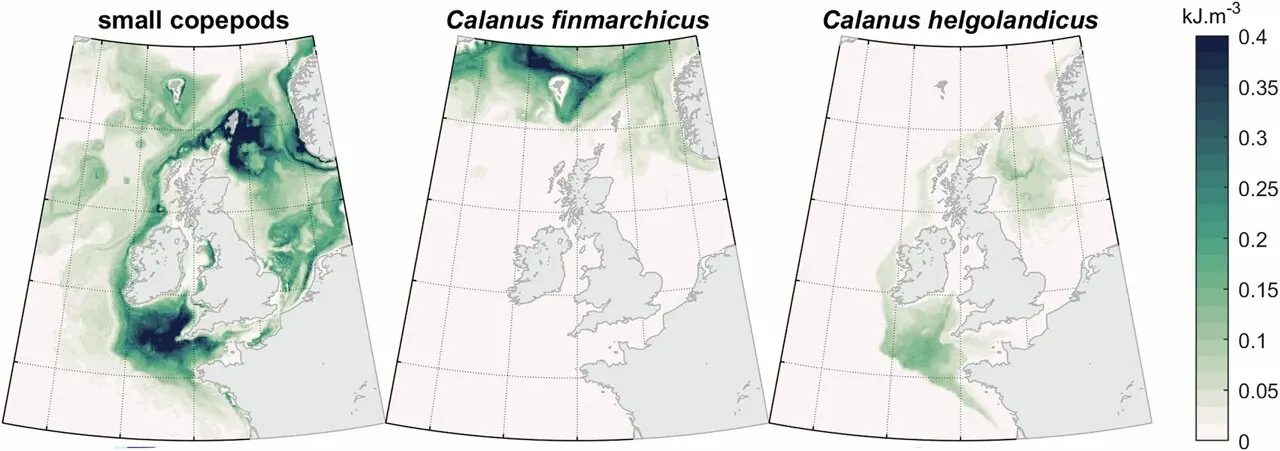
Researchers at the University of Strathclyde have released a high-resolution modeling tool that projects how warming oceans will reshape zooplankton populations. The machine learning system analyzes Northwest European waters. It tracks the tiny drifting animals that form the base of marine food webs.
The model uses historical data and climate projections to forecast species distribution changes. Zooplankton are not just small creatures. They are the critical link between phytoplankton and larger marine predators. As water temperatures rise, their habitats will migrate poleward.
The tool identifies specific regions where plankton density will decline and others where it will surge. This matters because fish, whales, and seabirds depend on these populations. A shift in their location disrupts the entire food chain. The model accounts for salinity, temperature, and current patterns.
What Does This Mean for Fish Stocks?
Researchers validated the system against observed data from the North Sea and Celtic Sea. Accuracy was high, giving scientists confidence in its future projections. The model runs on a grid that captures coastal details. This level of resolution was previously unavailable for this region.
The findings suggest that key fishing grounds may shift northward over the next few decades. Commercial fisheries in Northwest Europe may need to adapt their routes. The model also highlights potential hotspots where plankton blooms will intensify. These blooms can trigger algal die-offs that deplete oxygen.
The tool is now available to marine biologists and policy makers. It provides a quantitative basis for managing marine protected areas. As climate change accelerates, this modeling approach offers a vital early warning system.
Frequently Asked Questions
What is the primary purpose of this new modeling tool? It predicts how climate change will alter zooplankton distributions in Northwest European seas. The model helps scientists and fishers anticipate shifts in marine food webs.
How accurate is the machine learning model? Researchers validated it against historical observations from the North Sea and Celtic Sea. The system showed high accuracy in reproducing past patterns.
Who developed this tool and where is it used? The University of Strathclyde created the model. It is now being shared with marine researchers and policy makers to guide conservation and fishing strategies.