Regulatory Oversight Under Scrutiny
In Erie, Colorado, resident Christiaan van Woudenberg found himself unexpectedly drawn into the anti-fracking movement after moving to the area in 2007. Initially, he envisioned a peaceful life in his new four-bedroom home, complete with stunning mountain views. However, the landscape changed dramatically in 2014 when drilling operations began nearby.
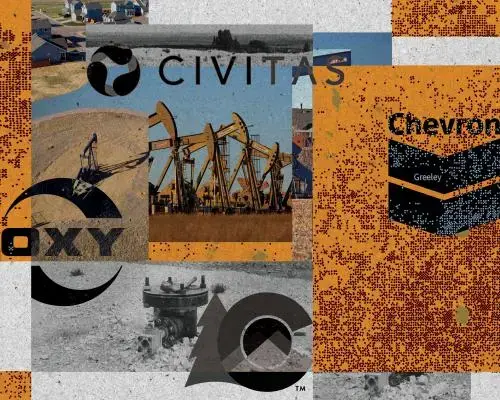
The surge in oil and gas drilling has raised significant environmental concerns. Many residents, including van Woudenberg, are alarmed by the proximity of drilling rigs to their homes, with some located as close as 800 feet away. The situation has become more pressing as investigations reveal regulatory failures. The Colorado Oil and Gas Conservation Commission (COGCC) has been accused of allowing companies to evade their cleanup responsibilities for abandoned drilling sites.
The findings from recent investigations indicate that the COGCC has issued permits worth over $1 billion to oil and gas companies. This financial support comes despite evidence that many of these firms are neglecting their obligations to remediate old, contaminated drilling sites. Critics argue that this leniency undermines efforts to protect the environment and local communities from potential hazards associated with abandoned wells.
Are Residents Safe from Environmental Risks?
The issue is compounded by the presence of thousands of old, dirty drilling sites scattered across Colorado. Many of these locations pose risks of leaks and environmental degradation. Residents fear that without rigorous enforcement of cleanup regulations, these abandoned sites could lead to long-term ecological damage.
The growing number of drilling operations has sparked a debate about the safety of residents living near these sites. Local activists argue that the health risks associated with fracking, including air and water pollution, should not be overlooked. Van Woudenberg and others are calling for stricter regulations and greater accountability from oil and gas companies.
In response to public outcry, some state officials have begun to acknowledge the need for reform. However, many residents remain skeptical about the effectiveness of proposed changes. The future of Colorado's drilling landscape hangs in the balance as community members demand better protections.
As the situation develops, the potential consequences for both the environment and local communities are significant. The ongoing drilling activities and regulatory practices may have lasting effects on public health and safety. Residents are left to wonder if their homes will remain safe or if they will continue to face the encroachment of the oil and gas industry.
Frequently Asked Questions
What is the main concern regarding drilling in Colorado? Residents are worried about the environmental impact of drilling operations, particularly the proximity of rigs to homes and the neglect of abandoned sites.
How has the COGCC responded to these concerns? The COGCC has issued substantial permits to oil and gas companies, but critics argue that they have failed to enforce cleanup obligations adequately.
What actions are residents taking? Many residents, including van Woudenberg, are advocating for stricter regulations and greater accountability from the oil and gas industry to protect their communities.