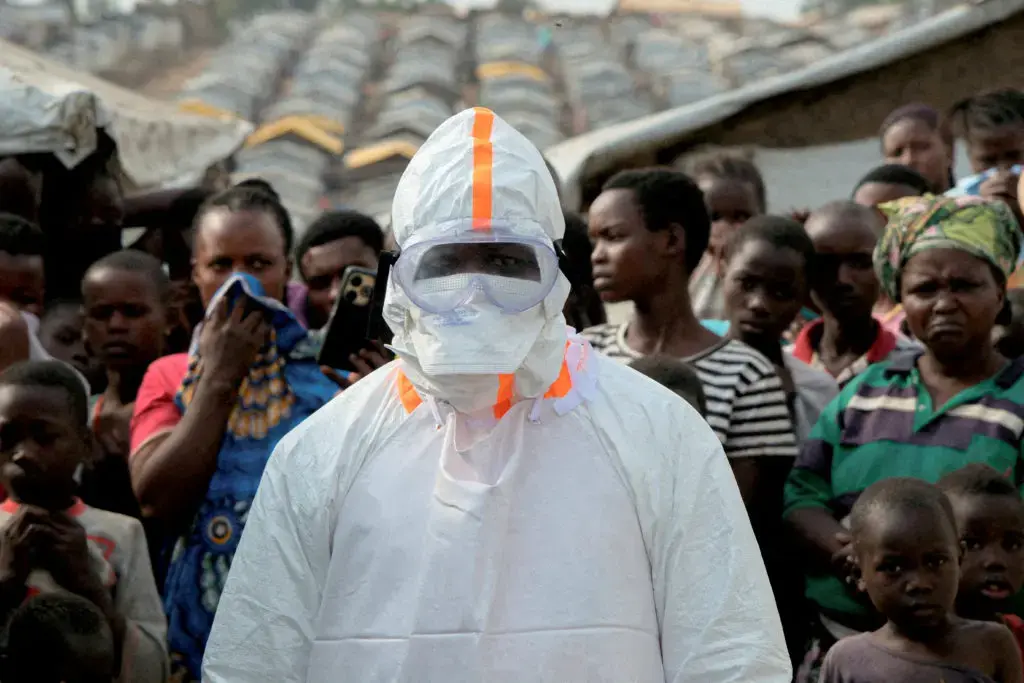
Local Distrust and Dangerous Conditions
An ongoing Ebola outbreak in the Democratic Republic of Congo faces severe challenges. More than a dozen attacks have targeted health facilities and workers. This violence is limiting the critical response efforts in affected regions.
These assaults are often carried out by angry mobs. They storm treatment centers, fueled by misinformation and fear. This hostile environment makes it incredibly difficult for medical teams to operate safely and effectively.
The attacks highlight a deep-seated mistrust within local communities. Many residents view the health workers with suspicion, sometimes believing they are spreading the disease. This distrust is a major obstacle to controlling the outbreak. Health workers face constant threats, risking their lives to provide care. These dangerous conditions force many aid organizations to scale back their operations.
How Does Violence Affect Disease Control?
Violence directly hinders efforts to track the virus and treat the sick. When facilities are attacked, patients may flee, potentially spreading Ebola further. It also deters people from seeking help, leading to more undetected cases. This cycle of fear and violence makes containing the highly contagious disease much harder.
The constant threat of violence also impacts the mental health of frontline responders. Many are exhausted and traumatized. This situation prolongs the outbreak and increases the overall death toll. Without improved security, the fight against Ebola will continue to struggle.
Frequently Asked Questions
What is causing the attacks on Ebola treatment centers? The attacks are often driven by angry mobs. They are fueled by misinformation and a deep mistrust of health workers and the response efforts.
How many attacks have occurred against health facilities? There have been more than 12 recorded attacks on health facilities and workers. This violence significantly disrupts the Ebola response.
What is the main consequence of this violence on the Ebola outbreak? The violence limits the ability of health workers to track, treat, and contain the virus. It also discourages people from seeking care, leading to further spread and a prolonged outbreak.