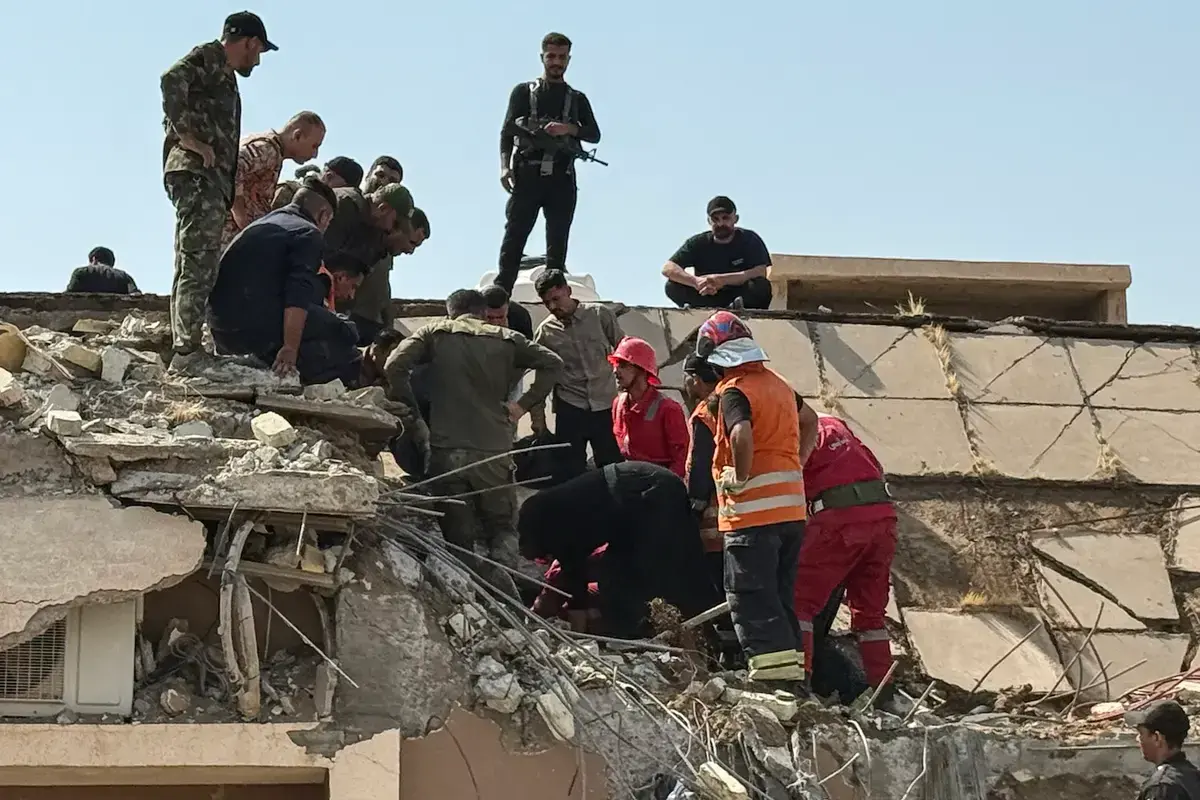
A History of Proxy Conflicts
Recent events suggest a dangerous increase in hostilities between the United States and Iran. This surge in violence follows familiar patterns, yet the current climate feels particularly volatile. Observers are questioning if these clashes will lead to a full-scale conflict.
The situation involves a complex web of regional proxies and direct confrontations. Both nations have long-standing grievances and strategic interests that often clash. This has led to a series of tit-for-tat actions, raising the stakes with each incident.
For decades, the US and Iran have engaged in indirect warfare. This often plays out in countries like Iraq, Syria, and Yemen. Each side supports different factions, fueling regional instability. These proxy battles allow both powers to exert influence without direct military engagement. However, the line between proxy and direct conflict is blurring. Recent attacks have been more direct, targeting assets and personnel.
Is Full-Scale War Inevitable?
Cyber warfare has also become a significant battleground. Both countries are suspected of launching cyberattacks against each other. These digital incursions can disrupt infrastructure and gather intelligence. They represent another front in this ongoing, undeclared conflict.
The current escalation raises serious questions about the future. Many fear that a miscalculation could trigger a wider war. Such a conflict would have devastating consequences for the entire Middle East. It could also draw in other global powers. Diplomatic efforts often struggle to keep pace with the rapidly changing situation.
The international community is watching with growing concern. Calls for de-escalation are becoming more urgent. However, finding a path to peace proves challenging. Both sides appear entrenched in their positions. The risk of a major confrontation remains high.
Frequently Asked Questions
What are the main areas of conflict between the US and Iran? The conflict primarily unfolds through proxy wars in the Middle East, particularly in Iraq, Syria, and Yemen. Cyber warfare and maritime incidents in the Persian Gulf are also significant flashpoints.
Why is the current situation considered an escalation? Recent incidents have involved more direct confrontations and attacks on assets or personnel. This moves beyond traditional proxy conflicts, increasing the risk of a direct military response from either side.
What are the potential consequences of a full-scale war? A full-scale war could destabilize the entire Middle East, leading to widespread human suffering and economic disruption. It would also likely involve other global powers, creating a much broader international crisis.